Exercises for Senior Fall Prevention
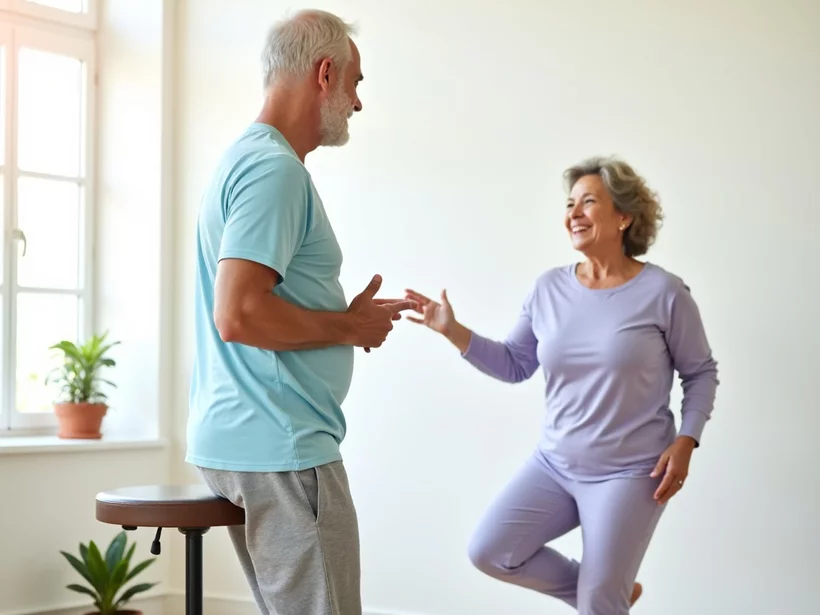
Are you aware that falls are the leading cause of injury for older adults? With one in three seniors experiencing a fall each year, the importance of preventative measures cannot be overstated. By embracing a proactive approach, we can significantly enhance the quality of life for our aging population.
What You Will Learn
- Falls are responsible for 95% of hip fractures and account for a significant percentage of hospital admissions among seniors.
- Regular fall prevention exercises improve balance, strength, and flexibility, leading to enhanced mobility and well-being.
- Creating a consistent exercise routine, ideally three times a week, is crucial for sustaining health and preventing falls.
- Safety tips such as maintaining a clutter-free environment and wearing proper footwear are essential for safe exercise.
- Caregivers can support seniors by encouraging regular activity and participating in workouts, boosting motivation and safety.
- Community exercise programs foster social interaction and provide professional guidance, enhancing the overall experience of seniors.
- Nutrition plays a pivotal role in senior fitness, with essential nutrients like protein, calcium, and hydration contributing to better health.
Fall Statistics and Exercise Recommendations for Seniors
Understanding fall risks and the benefits of exercise can significantly enhance the quality of life for seniors. Below are key statistics and recommendations for effective fall prevention.
Fall Statistics
- One in three seniors falls each year.
- Falls are responsible for 95% of hip fractures.
- Injurious falls lead to approximately 50% of all hospital admissions for seniors.
Exercise Recommendations
- Frequency: At least 3 times a week.
- Duration: 20 to 30 minutes per session.
- Variety: Mix different types of exercises.
Benefits of Fall Prevention Exercises
- Improved balance and coordination.
- Increased muscle strength and endurance.
- Enhanced mental well-being and reduced feelings of isolation.
Safety Tips for Exercise
- Clear space of clutter and obstacles.
- Wear supportive shoes with good traction.
- Ensure good lighting to avoid tripping hazards.
Understanding the Importance of Fall Prevention Exercises for Seniors
As we age, the risks associated with falls become a significant concern. Did you know that falls are the leading cause of injury among older adults? According to the Australian Institute of Health and Welfare, one in three seniors aged 65 and older experience a fall each year. This statistic highlights the urgent need for effective fall prevention strategies, especially here in Cairns, where our community is committed to aiding seniors in maintaining their independence. For more information on creating a secure living space, explore our guide on ensuring home safety for seniors.
Fall Risks Among Older Adults: Statistics and Implications
Understanding the statistics surrounding falls can help us take proactive measures. Falls can lead to severe injuries, such as fractures or head trauma, and can significantly affect a senior's quality of life. For instance, the World Health Organization estimates that falls account for about 40% of all injury-related hospitalizations among older adults. By recognizing these risks, we can better appreciate the role of fall prevention exercises.
- One in three seniors falls each year.
- Falls are responsible for 95% of hip fractures.
- Injurious falls lead to approximately 50% of all hospital admissions for seniors.
How Fall Prevention Exercises Can Enhance Quality of Life
Fall prevention exercises are essential, not just for reducing the risk of falls but also for enhancing overall well-being. Regular physical activity can improve strength, flexibility, and balance, which are crucial components in maintaining mobility as we age. Imagine starting your day with exercises that boost both your confidence and physical health!
At Cairns Active Ageing Solutions, we emphasize that incorporating exercises into your daily routine can lead to a more fulfilling life. Benefits of these exercises include:
- Improved balance and coordination
- Increased muscle strength and endurance
- Enhanced mental well-being and reduced feelings of isolation
By focusing on fall prevention, we empower seniors to engage more actively in their communities and enjoy life to the fullest. It’s all about taking those small steps towards a safer and healthier lifestyle! For additional tips on staying active, consider these healthy living tips for seniors.
Quick Summary
Here's a brief recap of the key points discussed so far:
- Falls are the leading cause of injury among seniors, highlighting the need for effective prevention strategies.
- Regular exercise significantly improves balance, strength, and overall well-being, empowering seniors to maintain their independence.
- Creating a consistent exercise routine, focusing on safety, and incorporating good nutrition are vital for reducing fall risks.
Implementing a Consistent Exercise Routine for Maximum Benefits
Creating a consistent exercise routine is vital for seniors looking to enhance their balance and prevent falls. I always recommend starting with small, manageable goals that can gradually lead to lasting habits. A routine that includes a mix of balance, strength, and flexibility exercises can be incredibly effective in promoting both physical health and confidence!
To build a sustainable routine, consider the following frequency recommendations:
- Frequency: Aim for at least 3 times a week.
- Duration: Each session can be between 20 to 30 minutes.
- Variety: Mix in different types of exercises to keep it engaging!
Staying consistent not only helps in building strength and stability but also fosters a sense of achievement. It’s important to track your progress so you can see how far you’ve come. This can be especially motivating for our seniors at Cairns Active Ageing Solutions! For more on specific exercises, check out balance training for seniors' safety.
Safety Tips: Ensuring a Safe Exercise Environment
Safety should always be a priority when exercising. Here are some practical tips to ensure a safe exercise environment:
- Clear Space: Remove any clutter or obstacles in your workout area.
- Proper Footwear: Wear supportive shoes that provide good traction.
- Good Lighting: Make sure the area is well-lit to avoid tripping hazards.
Additionally, consider having a friend or family member nearby during your workouts, especially if you’re trying new exercises. Having someone to assist you can provide reassurance and help prevent potential falls. You can also find more detailed advice on fall prevention tips for seniors.
Frequently Asked Questions about Fall Prevention for Seniors
What Are the Best Practices for Starting an Exercise Program as a Senior?
Starting an exercise program as a senior can be both exciting and a little overwhelming! Here are some best practices to help you begin your journey:
- Consult a Doctor: Ensure you're cleared for physical activity.
- Start Slow: Begin with gentle exercises before moving on to more challenging routines.
- Listen to Your Body: Pay attention to any discomfort or pain—it's okay to rest!
At Cairns Active Ageing Solutions, we emphasize the importance of tailoring your routine to fit your personal comfort and fitness level. Remember, every little step counts!
How Can Caregivers Support Seniors in Fall Prevention Efforts?
Caregivers play a crucial role in supporting seniors’ fall prevention efforts. Consider these ways to foster a supportive environment:
- Encourage Regular Activity: Remind seniors to engage in their exercise routines.
- Assist with Exercises: Join them in workouts for motivation and safety.
- Monitor Progress: Help track their achievements to boost confidence.
By being actively involved, caregivers can not only provide physical support but also emotional encouragement, which is essential for maintaining motivation.
Benefits of Community Exercise Programs for Seniors
Community exercise programs offer numerous benefits that can significantly enhance seniors' quality of life. Here are some highlights:
- Social Interaction: Opportunities to meet new friends and engage socially.
- Motivation: Exercising in a group can boost accountability.
- Professional Guidance: Access to trained instructors who can ensure safety and effectiveness.
Programs like those provided at Cairns Active Ageing Solutions create a supportive environment where seniors can thrive together. It’s always more fun to exercise with friends!
How Nutrition Plays a Role in Senior Fitness
Nutrition is a vital component of overall health and fitness, especially for seniors. A balanced diet can help enhance strength and support fall prevention. Here’s how:
- Protein: Essential for muscle repair and growth.
- Calcium and Vitamin D: Important for bone health.
- Hydration: Staying hydrated improves physical performance and cognition.
At Cairns Active Ageing Solutions, we advocate for combining proper nutrition with regular exercise to maximize health benefits. Remember, what fuels your body can significantly impact your ability to stay active!
Summarizing the Path to Fall Prevention Through Exercise
Key Takeaways: Building Balance and Strength through Regular Practice
In summary, implementing a consistent exercise routine is essential for seniors looking to improve their balance and prevent falls. Key takeaways include:
- Commit to a regular schedule of exercises.
- Focus on safety and create a suitable exercise environment.
- Incorporate nutrition to support overall health.
Each of these elements works together to foster better health and well-being, making every step you take towards exercise a significant victory!
Encouragement to Start: Taking the First Steps Toward Safety
As you embark on your journey to better balance and strength, remember that every effort counts! Taking the first steps might feel daunting, but with the right mindset and support from places like Cairns Active Ageing Solutions, you’ll find your rhythm and confidence. So, why not start today? Your future self will thank you! To learn more about maintaining your independence, explore resources on staying independent with active aging.
Recap of Key Points
Here is a quick recap of the important points discussed in the article:
- Fall Risks: One in three seniors aged 65 and older experience a fall each year, making fall prevention essential.
- Benefits of Fall Prevention Exercises: Regular physical activity enhances balance, strength, flexibility, and overall well-being.
- Exercise Routine: Aim for at least 3 times a week, with sessions lasting 20 to 30 minutes, mixing different types of exercises to stay engaged.
- Safety Measures: Ensure a clutter-free space, wear proper footwear, and maintain good lighting during exercise.
- Support from Caregivers: Caregivers should encourage regular activity, assist with exercises, and help monitor progress to boost confidence.
- Nutrition's Role: A balanced diet rich in protein, calcium, and hydration supports muscle health and overall fitness.