Social Engagement: Key to Aging
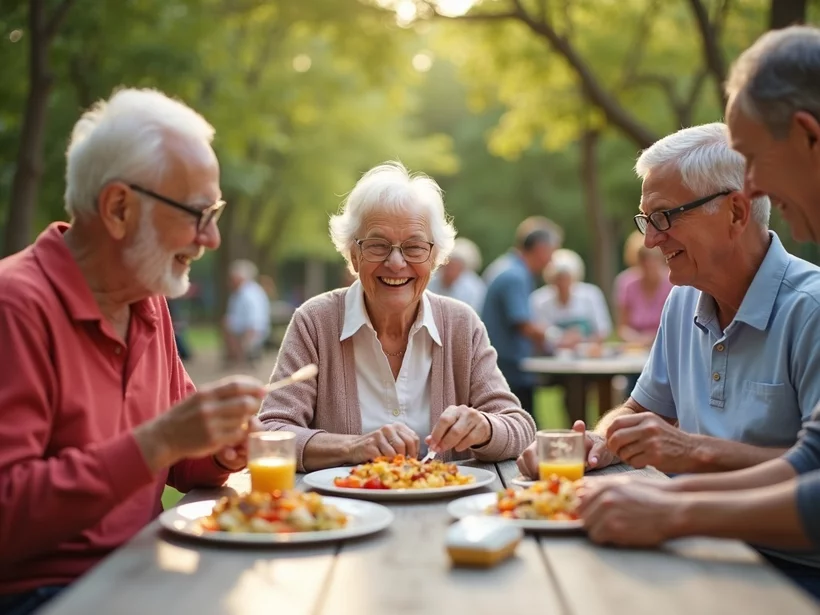
Did you know that maintaining strong social ties can significantly enhance the quality of life for seniors? As we age, the ability to forge meaningful connections becomes not just a luxury but a necessity for healthy aging. This article explores the critical role of social engagement in enriching the lives of older adults.
What You Will Learn
- Social engagement is essential for seniors, helping to combat feelings of isolation and loneliness.
- Participating in community activities and volunteer work fosters a sense of belonging and purpose among older adults.
- Engagement in social activities has been linked to lower rates of depression and anxiety, promoting overall emotional well-being.
- Lifelong learning and community involvement enhance vitality and can ignite new passions in seniors.
- Resources are available to connect seniors with local organizations and programs that promote social participation.
- Every interaction presents an opportunity for growth, making community engagement vital for a fulfilling life.
Key Benefits of Social Engagement for Healthy Aging
Engaging socially is crucial for the well-being of older adults. Below is a comparison of the benefits and activities that promote social engagement, which are essential for enhancing the quality of life among seniors.
Health Benefits
- Reduces mortality rates
- Improves mental well-being
- Enhances emotional stability
Social Activities
- Joining local clubs
- Participating in community events
- Volunteering for causes
Impact on Loneliness
Participating in social activities significantly decreases feelings of loneliness and isolation.
Encouragement of Lifelong Learning
Engaging with others promotes a passion for learning and personal growth.
Aging with Purpose: Understanding the Importance of Social Engagement for Healthy Aging
As we journey through life, the importance of social engagement becomes increasingly evident, especially for our seniors. At Cairns Active Ageing Solutions, I often see firsthand how meaningful connections can significantly improve the quality of life for older adults. Social engagement is not merely a luxury; it’s a vital component of healthy aging that helps seniors feel valued and included in their communities. For more on embracing a fulfilling lifestyle, consider embracing active aging together.
When we talk about social engagement, we're referring to the various ways older adults participate in their communities and connect with others. Whether it’s through volunteer work, participating in local events, or simply sharing experiences with family and friends, social engagement is about fostering relationships that enrich our lives. At Cairns, we emphasize the need for these connections to promote both mental and emotional well-being.
Framing Social Engagement in the Context of Aging
Social engagement encompasses a wide range of activities that create opportunities for interaction and relationship-building. This can include joining clubs, attending community events, or even participating in online forums. It’s a crucial aspect of aging well because it helps to combat feelings of isolation and loneliness that many seniors may experience.
In the context of aging, social engagement also plays a role in maintaining independence. By staying connected with others, older adults are more likely to engage in activities that promote their health and well-being. The community at Cairns provides numerous avenues for older adults to stay socially active, making it easier for them to enjoy a fulfilling life.
- Joining local clubs or groups
- Participating in community events
- Volunteering for causes they are passionate about
- Engaging in hobbies that involve others
Defining Social Engagement and Its Impact on Older Adults
Social engagement is about more than just being active; it involves meaningful participation in society. For older adults, this can take many forms, such as interacting with family, friends, and neighbors, as well as engaging in cultural or recreational activities. Each of these interactions can help to reinforce their sense of belonging.
Research consistently shows that social engagement has a positive impact on overall health for older adults. For instance, those who maintain strong social ties tend to report higher levels of happiness and lower levels of stress. At Cairns Active Ageing Solutions, we encourage our seniors to explore various forms of social participation that resonate with them, ensuring that they remain engaged and connected. This can significantly contribute to their overall health, much like engaging in physical activity for healthy aging.
- Participating in group exercises or fitness classes
- Joining book clubs or discussion groups
- Attending community workshops or educational events
- Involvement in arts and crafts sessions
Exploring the Health Benefits of Social Engagement for Aging Well
Numerous studies underscore the health benefits of social engagement, especially for seniors. Being socially active can play a significant role in reducing mortality rates and improving mental well-being. The research highlights that people who actively engage with others tend to live longer, healthier lives.
In essence, social engagement is more than just fun; it’s a foundational pillar for healthy aging. At Cairns Active Ageing Solutions, we believe that fostering these connections can lead to a more vibrant and fulfilling life for our older adults. So, let’s keep the conversation going about the importance of social engagement and how we can all contribute to a healthier community! Remember, you’re never too old to build new connections!
Engage and Share Your Thoughts!
Have you or a loved one experienced the benefits of social engagement in your aging journey? We want to hear your stories! Share how participating in community activities, connecting with friends, or volunteering has enriched your life.
Summarizing the Critical Role of Social Engagement in Healthy Aging
As we reflect on the journey of aging, it's clear that social engagement plays a pivotal role in enriching the lives of older adults. Research consistently illustrates that maintaining strong social ties not only enhances emotional well-being but also significantly contributes to overall quality of life. Engaging with others offers a sense of belonging, purpose, and joy—key ingredients for successful aging.
Notably, studies show that seniors who actively participate in social activities tend to experience lower rates of depression and anxiety. They also report a greater sense of vitality. It’s evident that fostering connections, whether through community events or simple gatherings with friends, is essential for thriving in our later years.
Encouraging Community Involvement and Lifelong Learning
At Cairns Active Ageing Solutions, we believe in the power of community! Engaging older adults in local initiatives not only combats isolation but also ignites a passion for lifelong learning. I encourage you to seek out opportunities that spark interest, whether it’s joining a book club, participating in a gardening group, or volunteering at local charities.
- Join a local seniors' group or club.
- Participate in workshops or classes at community centers.
- Volunteer for events that support fellow seniors.
- Engage in intergenerational activities with schools or youth organizations.
Remember, every interaction is an opportunity to learn and grow! Let's work together to create vibrant communities where seniors feel engaged and valued. Furthermore, ensuring home safety for seniors can provide the confidence needed to actively participate in these community initiatives.
Frequently Asked Questions About Social Engagement and Healthy Aging
1. Why is social engagement important for seniors?
Social engagement is crucial for seniors because it helps combat feelings of isolation and loneliness, promotes mental and emotional well-being, and contributes to a higher quality of life. It provides a sense of belonging and purpose.
2. What are some key benefits of social engagement for older adults?
Key benefits include reduced mortality rates, improved mental well-being (lower rates of depression and anxiety), enhanced emotional stability, and encouragement of lifelong learning and personal growth.
3. What types of activities promote social engagement for seniors?
Activities that promote social engagement include joining local clubs or groups, participating in community events, volunteering, engaging in hobbies with others, attending workshops, and joining book clubs or fitness classes.
4. How does social engagement impact loneliness and isolation?
Active participation in social activities significantly decreases feelings of loneliness and isolation by fostering meaningful connections and relationships within the community.
5. Where can seniors find resources for social participation?
Seniors can find resources through local organizations like Cairns Active Ageing Solutions, government services (e.g., Australia.gov.au for community services), aged care guides, community health services, senior activity centers, and online platforms designed for virtual socialization.
Resources for Further Exploration and Engagement Opportunities
Connecting with Local Organizations and Programs
Are you ready to dive into social engagement? There are numerous resources available to help you connect with local organizations and programs that promote social participation. Here are some valuable links:
- Cairns Active Ageing Solutions - Information on local activities and resources tailored for seniors.
- Find local government services - Access information on community services for older Australians.
- Aged Care Guide - A comprehensive directory of aged care and social programs.
These resources can guide you in finding the perfect fit for your interests and needs. Let’s make those connections count!
Incorporating Feedback and Experiences
Your voice matters! I invite you to share your experiences regarding social engagement and aging. What activities have you found fulfilling? How have social connections enhanced your life? Your insights could inspire others in our community to seek out their own paths to connection.
Consider reaching out through our website or social media channels. Together, we can foster a supportive environment for sharing and learning from one another.
Health Resources and Well-being Programs for Seniors
Here are some excellent health resources and well-being programs specifically designed to support social engagement among older adults:
- My Aged Care: Government-funded support services for seniors.
- Community Health Services: Local programs focused on wellness and social interaction.
- Senior Activity Centers: Places offering classes, events, and social gatherings.
- Online Platforms: Websites and apps that connect seniors for virtual socialization.
Utilizing these resources can empower you or your loved ones to stay connected and vibrant as we all navigate the aging journey together. Let’s embrace this phase of life with enthusiasm and community spirit! For additional ways to remain active and independent, explore staying independent with active aging, a topic closely related to the benefits of social engagement.
Recap of Key Points
Here is a quick recap of the important points discussed in the article:
- Social Engagement is Vital: Meaningful connections improve the quality of life for older adults and are crucial for healthy aging.
- Combat Isolation: Engaging in community activities helps reduce feelings of loneliness and supports mental well-being.
- Variety of Activities: Seniors can enhance their social engagement through clubs, volunteering, and participating in workshops or classes.
- Health Benefits: Active social lives are linked to lower rates of depression, anxiety, and increased longevity.
- Community Involvement: Encouraging participation in local initiatives fosters lifelong learning and a sense of belonging.