Tai Chi: A Fall Prevention Aid
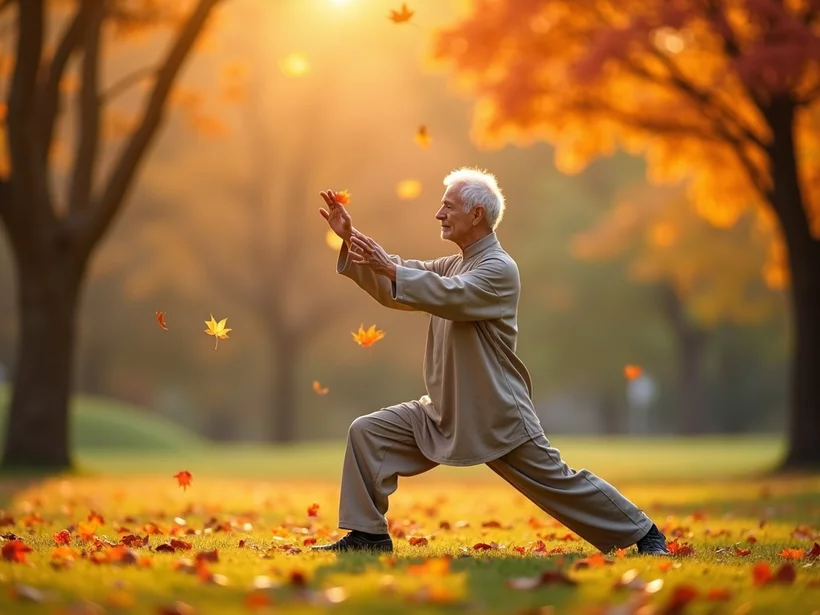
Did you know that approximately one in four seniors experiences a fall each year? This alarming statistic underscores the importance of finding effective ways to enhance balance and prevent falls among older adults. Tai Chi, often described as "meditation in motion," offers a gentle yet powerful approach to maintaining stability and improving overall well-being.
What You Will Learn
- Tai Chi is a mind-body exercise that enhances balance, flexibility, and overall well-being.
- Regular practice of Tai Chi can lead to a 24-58% reduction in falls among older adults.
- The practice not only improves physical health but also promotes mental well-being by reducing anxiety and fear of falling.
- Long-term commitment to Tai Chi fosters a sense of community, enhancing motivation and adherence to exercise routines.
- Tai Chi can improve functional fitness, making daily tasks safer and easier to perform.
- Engaging in Tai Chi offers broader health benefits, including increased flexibility, better posture, and enhanced social interactions.
- Incorporating Tai Chi into your daily routine is simple; start small and gradually increase practice time for maximum benefits.
Impact of Tai Chi on Fall Prevention Among Older Adults
Research indicates that engaging in Tai Chi can significantly reduce fall risk in older adults, as shown in the visual comparison below. To learn more about comprehensive fall prevention for Cairns seniors, explore our dedicated resources.
Fall Reduction Percentage
Engaging in Tai Chi can lead to a 24-58% reduction in falls among older adults.
Consequences of Falls
- Fractures
- Sprains
- Head injuries
- Emotional toll: anxiety and depression
- Financial impact: increased healthcare costs
Understanding Tai Chi and Its Role in Fall Prevention for Older Adults
Have you ever come across an exercise that feels more like a dance than a workout? That’s precisely what Tai Chi offers! For older adults, Tai Chi presents a unique blend of gentle movement, balance, and mindfulness, making it an ideal choice for fall prevention. In this article, we’ll explore what Tai Chi is, its historical roots, and why it’s so beneficial for keeping us steady on our feet as we age.
Defining Tai Chi: An Ancient Practice with Modern Benefits
Overview of Tai Chi as a form of exercise
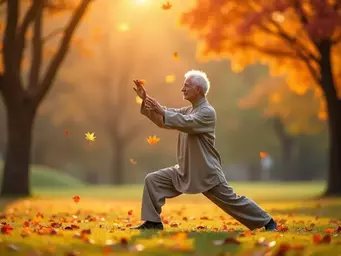
Tai Chi is a form of mind-body exercise that focuses on slow, controlled movements and deep breathing. It's often described as "meditation in motion," allowing practitioners to cultivate both physical strength and mental calm. This practice isn’t just about fancy moves; it’s about enhancing balance, flexibility, and overall well-being for older adults.
Historical context and cultural significance
Originating in ancient China, Tai Chi is steeped in rich traditions and philosophies. Initially developed as a martial art, it has evolved into a popular exercise for people of all ages, especially seniors. The beauty of Tai Chi lies in its gentle nature, making it accessible for everyone, regardless of fitness levels or prior experience. It embodies a sense of community and connection, which resonates perfectly with our mission at Cairns Active Ageing Solutions. For more ways to stay active, consider embracing active ageing with us.
Why Fall Prevention Matters for Older Adults
Statistics on falls among older adults
Did you know that falls are one of the leading causes of injury among older adults? According to the latest research, approximately one in four seniors experiences a fall each year. These incidents can result in serious injuries and can significantly impact their quality of life. That’s why knowing how to prevent falls is so crucial!
Consequences of falls: physical, emotional, and financial impacts
The consequences of falls extend beyond just physical injuries. They can lead to a profound sense of fear and anxiety about falling again, which can, in turn, reduce a senior’s confidence and limit their activities. This can create a cycle of isolation and inactivity. Additionally, the financial burden of falls—whether through medical bills or lost independence—can be overwhelming. Understanding these impacts is key to emphasizing the importance of fall prevention strategies. Learning more about ensuring home safety for seniors can also significantly reduce these risks.
- Injury risk: fractures, sprains, and head injuries.
- Emotional toll: fear of falling, anxiety, and depression.
- Financial impact: increased healthcare costs and potential loss of independence.
At Cairns Active Ageing Solutions, we believe that promoting awareness about these issues is the first step toward creating a safer, more supportive environment for our older adults. Let’s explore how Tai Chi can play a pivotal role in preventing falls and enhancing overall well-being.
Pro Tip
To maximize the benefits of Tai Chi, consider pairing your practice with regular strength training exercises. This combination not only enhances your balance and flexibility but also builds the muscle strength necessary for fall prevention. Remember, a strong foundation supports a stable future!
Summarizing the Benefits of Tai Chi for Older Adults
As we've explored, Tai Chi is much more than a gentle exercise; it’s a powerful tool for promoting health and preventing falls among older adults. The evidence strongly supports that regular practice can lead to notable reductions in fall risk, enhancing both balance and overall well-being. At Cairns Active Ageing Solutions, we truly believe in the transformative potential of Tai Chi to empower our community’s seniors to live independently and confidently.
Key Takeaways for Fall Prevention
Let’s recap the key insights about Tai Chi and its role in fall prevention. Research shows that engaging in Tai Chi can lead to a 24-58% reduction in falls among older adults. This is a significant statistic that highlights the importance of incorporating this practice into daily routines!
- Tai Chi improves balance and coordination.
- Regular practice enhances core strength and stability.
- It promotes mental well-being by reducing anxiety and fear of falling.
Moreover, long-term adherence to Tai Chi not only helps maintain these benefits but also fosters a sense of community and connection. Being part of a group practice can enhance motivation, making it easier to stick with an exercise routine. Just imagine the social benefits alongside the physical ones!
Importance of long-term adherence to maintain benefits
Staying consistent with Tai Chi practice is key to reaping its full rewards. For older adults, this means developing a routine that can become a cherished part of their day. When you commit to Tai Chi, you’re not just working on balance; you’re cultivating a lifestyle that promotes health and vitality.
Moreover, Tai Chi emphasizes mindfulness, which allows practitioners to connect with their bodies while reducing stress. Have you ever felt a sense of calm wash over you after a good session? It’s an incredible feeling, and one that can greatly impact your quality of life!
Role of Tai Chi in promoting health benefits, quality of life, and functional fitness
Incorporating Tai Chi into daily life can lead to improved functional fitness, making everyday tasks easier and safer. It’s not just about preventing falls; it’s about enhancing overall quality of life. Here are some of the broader health benefits:
- Increased flexibility and mobility.
- Better posture and alignment.
- Enhanced social interactions with peers.
- Improvements in mental clarity and focus.
As I share these reflections, I encourage you to consider how these benefits apply to your own life or the lives of your loved ones. Tai Chi truly offers a holistic approach to health that resonates with our mission at Cairns Active Ageing Solutions. For more ideas on how to boost physical activity, check out our related article.
FAQs About Tai Chi and Fall Prevention
- Q: What is Tai Chi?
- A: Tai Chi is a mind-body exercise originating in ancient China, characterized by slow, controlled movements and deep breathing. It's often called "meditation in motion."
- Q: How does Tai Chi help prevent falls in older adults?
- A: Tai Chi significantly improves balance, coordination, core strength, and flexibility, which are all crucial for reducing the risk of falls. Studies show a 24-58% reduction in falls among regular practitioners.
- Q: Are there emotional benefits to practicing Tai Chi?
- A: Yes, Tai Chi promotes mental well-being by reducing anxiety and the fear of falling, fostering a sense of calm, and improving overall mood.
- Q: Is Tai Chi suitable for all fitness levels?
- A: Yes, Tai Chi is known for its gentle nature, making it accessible for people of all ages and fitness levels, including seniors and those with limited mobility.
- Q: How often should I practice Tai Chi to see benefits?
- A: Consistency is key. Even a few minutes of practice each day can lead to noticeable improvements. Gradually increasing duration and frequency will maximize benefits.
Encouraging Action: Starting Your Tai Chi Journey
Ready to begin your Tai Chi journey? There are many resources available to help you get started! Whether you’re interested in joining a local class or exploring online programs, you’ll find options that suit your needs. Here are some avenues to consider:
- Check local community centers or senior wellness programs for classes.
- Explore online platforms that offer guided Tai Chi sessions.
- Look for Tai Chi workshops or events in Cairns.
Becoming part of a Tai Chi class can be a wonderful step towards better health. Plus, it's a chance to meet others who are also focused on enhancing their well-being!
Next steps for incorporating Tai Chi into daily routines
Incorporating Tai Chi into your daily routine doesn’t have to be overwhelming. Start small! Aim for just a few minutes of practice each day. Gradually increase the duration as you grow more comfortable. Here’s a simple plan:
- Set aside 5-10 minutes each day for Tai Chi.
- Find a quiet space where you can focus.
- Use online tutorials or join a class for guidance.
With time, you’ll notice improvements in your balance, strength, and overall well-being. Your future self will be grateful! To further enhance your stability, consider exploring specific balance training for seniors' safety.
Health insurance coverage and grants for seniors to support Tai Chi participation
Lastly, it’s worth exploring whether your health insurance covers Tai Chi classes. Many programs recognize its benefits and offer support for participation. Additionally, grants or subsidies for seniors engaging in wellness activities can help reduce costs. Don’t hesitate to inquire about these options!
In conclusion, embracing Tai Chi can lead to a fulfilling and active lifestyle. Let’s make every step count together! If you have any questions or need assistance, feel free to reach out to us at Cairns Active Ageing Solutions. We’re here to support your journey to healthy ageing!
Recap of Key Points
Here is a quick recap of the important points discussed in the article:
- Tai Chi is a gentle mind-body exercise that enhances balance, flexibility, and overall well-being for older adults.
- Falls are a major concern for seniors, with approximately one in four experiencing a fall each year, leading to serious physical, emotional, and financial consequences.
- Regular Tai Chi practice can reduce fall risk by 24-58%, improving balance, coordination, and core strength.
- Consistency in practice is key to maintaining the benefits of Tai Chi and fostering a sense of community among practitioners.
- Incorporating Tai Chi into daily routines can enhance functional fitness, flexibility, and overall quality of life.
- Explore local classes or online resources to start your Tai Chi journey and take small steps to integrate it into your daily life.
- Check for health insurance coverage or grants available to support participation in Tai Chi classes for seniors.