Active Aging and Mental Wellness
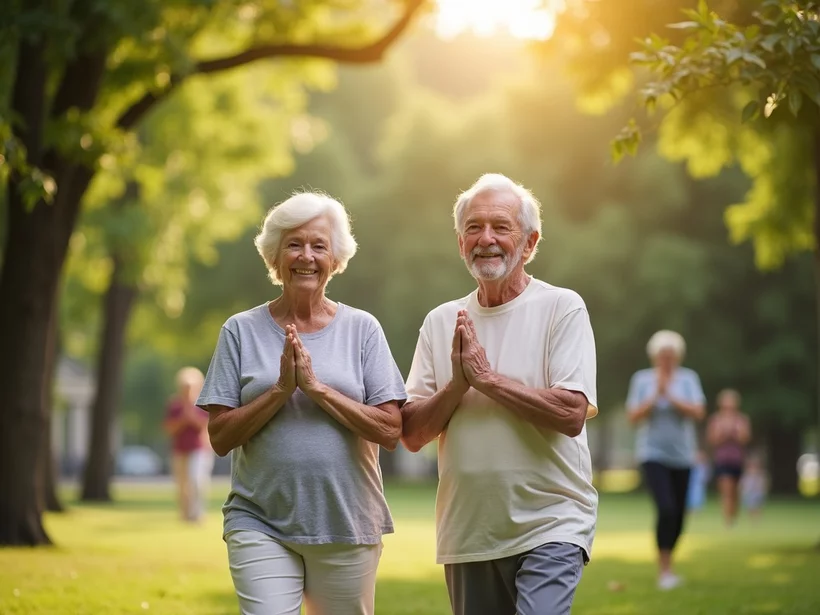
As we age, the importance of physical activity extends beyond just physical health; it plays a crucial role in enhancing our mental well-being. Imagine how a simple daily walk can uplift your mood and sharpen your mind. Let's explore the transformative benefits of staying active in our senior years.
What You Will Learn
- Physical activity significantly reduces stress and anxiety, leading to improved overall mental health.
- Regular exercise boosts the release of neurotransmitters like serotonin and endorphins, enhancing mood and happiness.
- Social engagement through group activities not only combats loneliness but also lowers the risk of cognitive decline and dementia.
- Incorporating mindfulness and nutrition with physical activity creates a holistic approach to mental wellness.
- Simple, tailored routines like walking, chair yoga, or stretching can accommodate different fitness levels and promote active living.
- Technology tools, such as fitness apps and trackers, can motivate seniors to stay active and monitor their progress effectively.
Mental Health Improvements from Physical Activity
The connection between physical activity and mental health is profound. Regular exercise not only uplifts mood but also significantly reduces symptoms of anxiety and depression. Below are key mental health improvements linked to active aging.
Enhanced Mood
Engaging in physical activity triggers the release of endorphins, leading to a more positive emotional state.
Reduced Symptoms of Anxiety
Regular exercise can alleviate feelings of anxiety, helping seniors to feel calmer and more centered.
Increased Self-Esteem
Active living contributes to higher self-worth and confidence, fostering a positive self-image.
Boosted Cognitive Function
Physical activity has been linked to improved memory and cognitive abilities in older adults.
The Role of Physical Activity in Supporting Senior Mental Health
When we think about being active as we age, it’s easy to focus only on physical benefits. However, have you ever considered how physical activity can significantly improve mental health? At Cairns Active Ageing Solutions, I’ve seen firsthand how engaging in regular movement not only supports physical well-being but also enhances emotional and mental resilience. Let’s explore the many ways that staying active can lift our spirits and keep our minds sharp. For more insights on the benefits of physical activity for seniors, check out our article on physical activity benefits for seniors.
Understanding the Mental Health Benefits of Active Aging
Physical activity is like a magic potion for our minds! It helps reduce feelings of stress and anxiety, allowing us to enjoy life more fully. The benefits aren’t just about feeling good in the moment; they can also lead to long-term improvements in our mental health. Have you noticed how a brisk walk or a gentle yoga session can make you feel lighter and more positive?
Exploring the Connection Between Physical Activity and Mental Well-Being
Research shows that there’s a strong link between being physically active and experiencing better mental health. Regular exercise can lead to higher levels of neurotransmitters like serotonin and endorphins, which are known to improve mood. This means that just by moving our bodies, we can elevate our feelings of happiness and fulfillment!
Additionally, being active can help us feel more connected to our surroundings and more engaged in our daily lives. It can be as simple as gardening or joining a dance class with friends. Each step counts toward a brighter mood!
Research Findings: How Exercise Impacts Depression and Anxiety in Older Adults
Studies indicate that seniors who engage in consistent physical activity experience lower levels of depression and anxiety. For example, regular exercise has been shown to reduce symptoms in those who struggle with these challenges. This finding speaks directly to our mission at Cairns Active Ageing Solutions, where we aim to empower seniors to take control of their mental wellness through active aging strategies. Learning about mind care tips for seniors can further enhance mental well-being.
- Walking or jogging outdoors
- Participating in group fitness classes
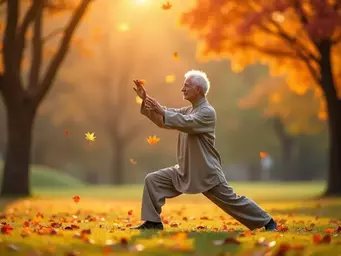
- Practicing tai chi or yoga
Key Mental Health Improvements from Physical Activity
It’s remarkable to think about how just a bit of movement can yield such positive mental health results. Here are some key improvements that come from regular physical activity:
- Enhanced mood thanks to the release of endorphins
- Reduced symptoms of anxiety and depression
- Increased self-esteem and confidence
- Boosted cognitive function and memory
Enhancing Mood Through Exercise: The Impact of Endorphins and Serotonin
One of the most amazing things about exercise is how it triggers the release of endorphins—our body's natural mood lifters! When we engage in activities like dancing, swimming, or even walking, we boost these chemicals, making us happier. Imagine finishing a workout and feeling a sense of accomplishment and joy! It’s a wonderful reward for putting in the effort.
Reducing Symptoms of Depression and Anxiety in Seniors
For many older adults, feelings of sadness or anxiety can be overwhelming. Luckily, incorporating physical activity into daily routines can be a game changer. Just a few minutes of exercise a day can lead to significant improvements in mood and emotional stability.
As we encourage seniors to stay active, it’s essential to tailor activities to their interests and fitness levels. For instance, gentle exercises like stretching or chair yoga can be a great way to start!
Boosting Self-Esteem and Cognitive Function in Older Adults
Regular participation in physical activities can also improve self-esteem and cognitive function. When we stay active, we feel more capable and engaged in our lives. This boost in self-worth can lead to a more positive outlook and better relationships with others.
From learning a new dance step to completing a workout, every small victory matters! So, let’s celebrate these successes and encourage each other in the journey of active ageing.
Social Engagement and Its Impact on Mental Health
Physical activity doesn’t just benefit us individually; it also opens the door to social connections. Being part of a group or community activity can greatly improve our mental health, and at Cairns Active Ageing Solutions, we see this vibrant community spirit every day!
Combatting Loneliness Through Group Activities and Volunteer Opportunities
Engaging in group exercises or volunteering can help combat loneliness, a common issue among seniors. It’s amazing how participating in activities with others can create a sense of belonging. For instance, joining a local walking group can make exercise fun and social, taking the focus away from any feelings of isolation.
Have you ever tried volunteering? It’s a wonderful way to meet new people while making a difference in the community. Plus, it can provide a sense of purpose that uplifts our spirits! For more on staying connected, explore the benefits of social engagement as key to aging.
Lowering Dementia Risk Through Social Participation in Physical Activities
Being socially active can also play a role in lowering the risk of dementia. Studies have shown that seniors who engage regularly in social activities are less likely to experience cognitive decline. This makes it all the more important for us to encourage social interactions through exercise!
Intergenerational Activities: Building Community Connections
Another effective way to enhance mental health is through intergenerational activities. Connecting with younger people can provide fresh perspectives and foster a sense of community. Whether it’s participating in a community event or sharing skills in a workshop, these connections can be incredibly enriching for everyone involved.
Practical Active Aging Tips for Seniors
Now that we’ve explored the mental health benefits of physical activity, let’s talk about some practical tips for incorporating movement into our daily lives.
Beginner Exercise Routines: Tailored Activities for Different Fitness Levels
It’s essential to find exercise routines that fit our individual abilities and preferences. Here are some great starting points:
- Short walks around the neighborhood
- Chair exercises or gentle yoga at home
- Stretching routines to improve flexibility
How to Overcome Barriers to Physical Activity for Frail Seniors
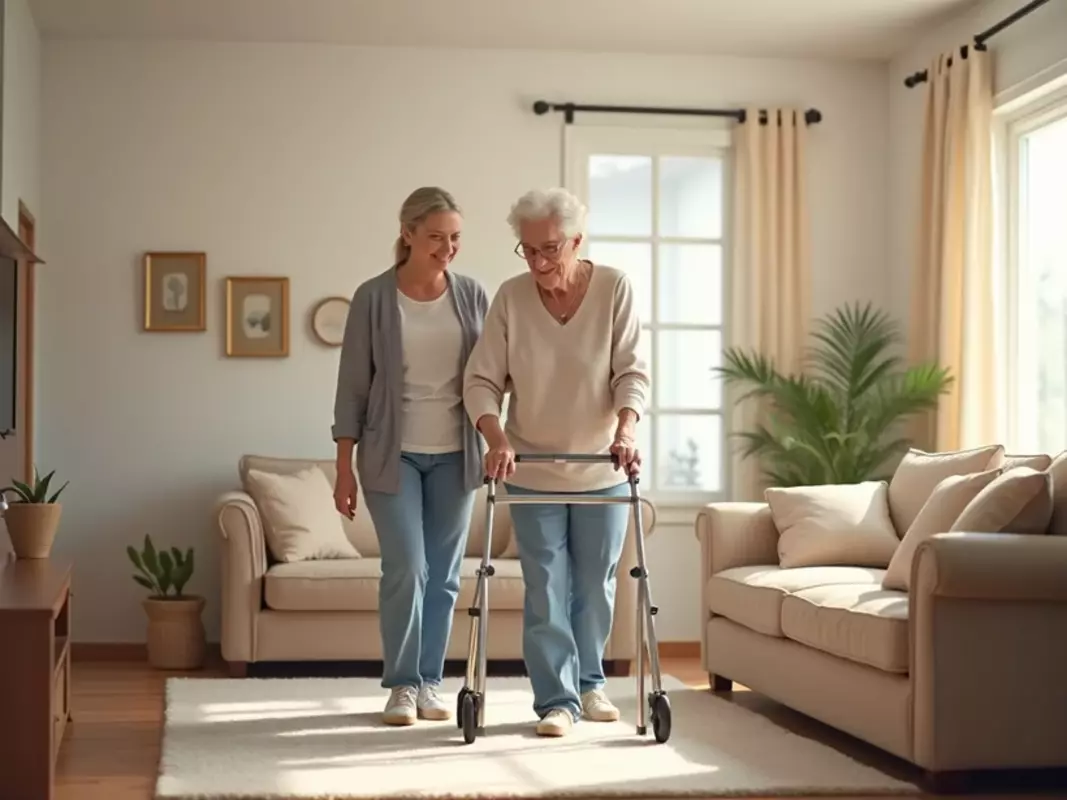
Sometimes, there are barriers that prevent seniors from being active. Whether it’s concerns about safety, mobility issues, or lack of motivation, it’s important to address these challenges. Start by setting small, achievable goals and consider working with a friend or family member for support.
Incorporating Mindfulness and Stress Management Techniques
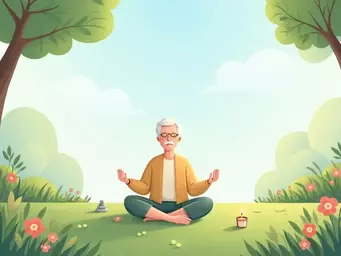
It’s also beneficial to combine physical activity with mindfulness techniques. Engaging in activities like meditation or deep breathing can enhance the mental health benefits of exercise. Imagine taking a moment after a walk to reflect on how you feel—this simple practice can truly boost your overall well-being!
Utilizing Technology for Mental Health and Active Aging
In today’s digital age, technology can be a fantastic ally in promoting active aging and mental health. There are numerous resources available that can help us stay engaged and motivated.
Digital Tools and Apps for Tracking Physical Activity in Seniors
Using apps or fitness trackers can help seniors monitor their physical activity levels and set goals. This can provide a sense of accomplishment and encourage adherence to an active lifestyle. Some popular options include:
- Step trackers to count daily steps
- Fitness apps that provide guided workouts
- Wellness apps that offer reminders for movement or relaxation
Innovative Solutions for Empty-Nest Seniors to Stay Active
For seniors who may find themselves with more free time, there are plenty of engaging activities to consider. Learning new skills, participating in online classes, or even exploring new hobbies can keep us active both physically and mentally. The key is to find what excites you and keeps you motivated!
Quick Summary
Here's a brief recap of the key points discussed so far:
- Physical activity significantly improves mental health by reducing stress, anxiety, and depression.
- Regular exercise releases neurotransmitters like serotonin and endorphins, enhancing mood and cognitive function.
- Social engagement through group activities can combat loneliness and lower the risk of cognitive decline.
Frequently Asked Questions About Active Aging and Mental Health
Here are some common questions about how physical activity impacts mental well-being in older adults:
- How does physical activity improve mental health in seniors? Physical activity reduces stress and anxiety, releases mood-boosting neurotransmitters like endorphins and serotonin, and enhances cognitive function and self-esteem.
- What types of physical activities are best for mental well-being in older adults? Activities like walking, chair yoga, stretching, tai chi, swimming, dancing, and group fitness classes are all beneficial. The key is to find activities that suit individual fitness levels and preferences.
- Can exercise help reduce symptoms of depression and anxiety in seniors? Yes, consistent physical activity has been shown to significantly reduce symptoms of depression and anxiety in older adults, promoting a calmer and more positive emotional state.
- How does social engagement through physical activity benefit mental health? Group activities and volunteer opportunities combat loneliness, foster a sense of belonging, and can lower the risk of cognitive decline and dementia. Intergenerational activities also build community connections and provide fresh perspectives.
- Are there any tools or technologies that can help seniors stay active and maintain mental health? Yes, fitness apps, step trackers, and wellness apps can help seniors monitor activity levels, set goals, and provide reminders for movement and relaxation, aiding motivation and adherence to an active lifestyle.
- What role does nutrition play alongside physical activity for mental health? Combining healthy eating with physical activity is crucial. A balanced diet rich in vitamins, minerals, and healthy fats boosts energy levels and supports mental clarity, leading to better overall mental health outcomes.
Enhancing Quality of Life Through Active Aging
As we navigate the vibrant journey of life, the concept of *active aging* becomes more than just a trend; it’s a vital component of our overall well-being. At Cairns Active Ageing Solutions, we know that combining *nutrition* with physical activity can significantly enhance not only our physical health but also our mental health. So, how can we make this connection work for us?
One way to start is by ensuring that our meals are rich in vitamins, minerals, and healthy fats. *Eating a balanced diet* can boost energy levels, making it easier to engage in physical activities. Think about incorporating foods like leafy greens, whole grains, and lean proteins into your meals! This approach fosters a holistic view of health that supports an active, fulfilling lifestyle. For more information on creating a safe living environment, see our article on ensuring home safety for seniors.
Nutrition and Exercise: A Comprehensive Approach to Mental Health
Combining healthy eating with physical activity is key to achieving optimal well-being. Research shows that when we nourish our bodies with the right foods, we set ourselves up for success not only physically but also mentally. Here are some simple ways to integrate nutrition and exercise:
- Plan balanced meals that include fruits and vegetables to fuel your workouts.
- Stay hydrated! Drinking water is essential for both physical activity and mental clarity.
- Don’t forget to indulge occasionally! Enjoy a healthy treat to keep your spirits high.
Along with these strategies, long-term studies have shown that regular physical activity combined with a nutritious diet can lead to notable improvements in mental health. This means feeling happier, more alert, and ready to tackle the day!
Long-Term Studies on Nutrition and Exercise Effects on Mental Health
Many studies highlight the positive effects of a *healthy lifestyle* on mental health in older adults. For instance, seniors who maintain a balanced diet alongside regular exercise often report lower levels of depression and anxiety. It's truly inspiring to see how these elements can work together to enhance our quality of life!
Additionally, engaging in group physical activities can also lead to better nutritional choices. When we exercise with friends or participate in community classes, we often share healthy recipes and tips, creating a supportive environment that encourages overall well-being. To further enhance your health, learn about the impact of nutrition on healthy aging.
Addressing Common Questions About Active Aging and Mental Health
As we focus on active aging, many questions arise about how to optimize our efforts. At Cairns Active Ageing Solutions, we are committed to addressing these queries to support our seniors in their health journey. Here are some frequently asked questions:
- How much exercise is recommended for seniors to boost mental health? Aim for at least 150 minutes of moderate activity each week, like brisk walking or swimming.
- What are the best types of exercises for mental resilience in older adults? Activities such as tai chi, yoga, and low-impact aerobics are excellent choices!
- What role do wellness programs and senior fitness classes play? These programs provide structured support and motivation, making it easier to stay active.
By addressing these common concerns, we can empower seniors to take charge of their health and well-being. After all, knowledge is key!
Conclusion and Call to Action for Seniors
Embracing *active aging* is not just about maintaining physical fitness; it’s about nurturing our mental health and overall quality of life. I encourage you to take the first steps on this journey today! Have you considered joining a local exercise class or trying a new healthy recipe? Every little bit counts!
For those looking to get started, we offer downloadable resources, including *30-minute exercise routines* and tracking tools to help you on your path to vibrant health. Let’s thrive together in our community! Remember, at Cairns Active Ageing Solutions, you’re never alone in this journey. Discover more about embracing active aging together.
Recap of Key Points
Here is a quick recap of the important points discussed in the article:
- Physical activity significantly enhances mental health by reducing stress and anxiety.
- Regular exercise increases neurotransmitters like serotonin and endorphins, improving mood.
- Seniors engaging in consistent physical activity report lower levels of depression and anxiety.
- Social engagement through group activities can combat loneliness and lower dementia risk.
- Incorporating mindfulness techniques with physical activity boosts overall well-being.
- Combining a balanced diet with exercise leads to better mental health outcomes.
- Technology can aid seniors in tracking activity levels and staying motivated.