Medication and Fall Risk in Seniors
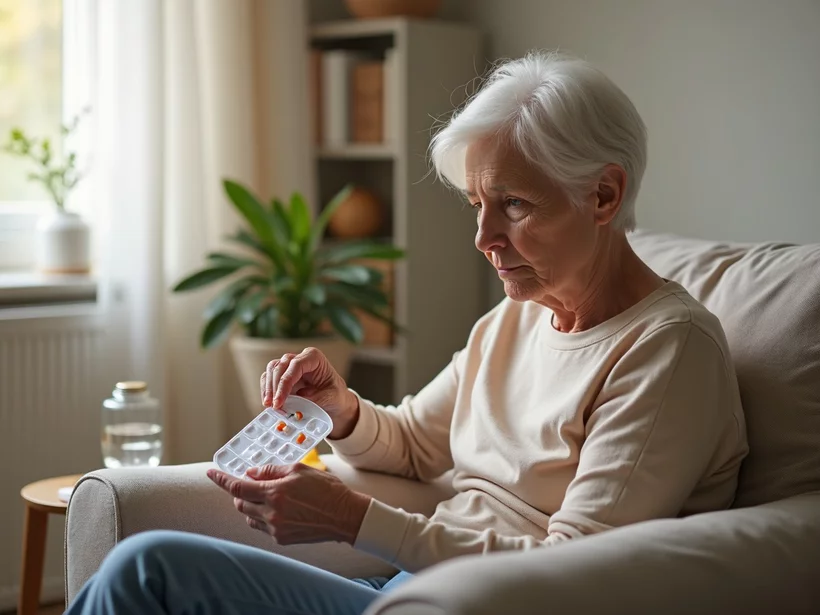
With up to 50% of seniors taking five or more medications, understanding the connection between medication and fall risk is more critical than ever. Neglecting this relationship can lead to severe injuries for our loved ones.
What You Will Learn
- The impact of cognitive side effects from medications that can impair memory and attention in seniors.
- How physical side effects like dizziness can contribute to falls among older adults.
- The increased risk of adverse effects that come with polypharmacy — the use of multiple medications.
- The importance of regular medication reviews to identify unnecessary prescriptions and potential alternatives.
- Key recommendations for healthcare providers to minimize fall risks through better medication management.
- Strategies to encourage patient engagement and awareness about medication side effects and fall risks.
- Essential tools and resources for seniors and caregivers to monitor medication use and enhance safety.
Impact of Medications on Fall Risk in Seniors
Understanding the role of medications and polypharmacy in increasing the risk of falls among older adults is key to ensuring their safety. The following visual highlights crucial statistics and factors related to medication use and fall risks in seniors.
Prevalence of Polypharmacy
Up to 50% of seniors take five or more medications, increasing the risk of falls.
Cognitive Effects of Medications
Some medications impair memory and attention, making navigation more hazardous.
Physical Side Effects
Drugs causing dizziness or instability can lead to missteps and falls.
Medication Interactions
Combining medications can increase adverse effects, particularly in older adults.
The Influence of Medication on Fall Risk in Seniors
As we age, maintaining independence becomes a crucial part of our lives. However, one significant concern for seniors is the risk of falls, which can lead to severe injuries or complications. Often, medications prescribed to address health issues can inadvertently increase this fall risk. Understanding the connection between medication and falls is essential for reducing accidents and keeping our seniors safe.
Many medications have side effects that may affect balance, coordination, and cognition. For instance, certain prescriptions can cause dizziness or sedation, which can make it harder for seniors to stay steady on their feet. It’s important to be aware of how these medications interact with our bodies, especially when managing multiple prescriptions.
Understanding the Connection Between Medication and Fall Risk
The relationship between medication and fall risk is complex, but a few key factors contribute to this connection. Medications can alter our physical abilities or mental state, leading to an increased chance of falling. Understanding this relationship is vital for proper management and prevention strategies. For more information on creating a safe environment, check out our guide on ensuring home safety for seniors.
- Cognitive Effects: Some medications can impair memory and attention, making it difficult to navigate environments safely.
- Physical Side Effects: Drugs that cause dizziness or instability can lead to missteps.
- Interactions: Taking multiple medications can increase the likelihood of adverse effects, especially in older adults.
At Cairns Active Ageing Solutions, we emphasize the importance of monitoring medication use to empower seniors. By encouraging dialogue between patients and healthcare providers, we can identify potential risks and make informed decisions about necessary adjustments.
Prevalence of Polypharmacy in Older Adults
Polypharmacy, defined as the use of multiple medications by a patient, is common among older adults. This practice can lead to complications, including increased fall risk. As we age, it’s not unusual to be prescribed several medications for various chronic conditions, yet each additional drug can add to the complexity of managing one’s health.
- Statistics: Studies show that up to 50% of seniors take five or more medications.
- Risks: Each added medication can introduce new side effects that may not be immediately apparent.
- Awareness: Regular medication reviews can help identify unnecessary prescriptions and alternatives.
By understanding the significance of polypharmacy, we can help seniors at Cairns Active Ageing Solutions make better choices regarding their health. It’s all about fostering a supportive environment where informed decisions lead to safer lives.
Identification of High-Risk Medications
As we look closer at the medications that contribute to fall risk, it's crucial to identify specific drug classes that pose a higher danger. Awareness of these medications can help seniors and their caregivers take proactive steps to minimize fall risks. To further reduce risks, consider exploring various strategies to prevent falls in seniors.
Maintaining this awareness of medication effects is a key part of our mission, as we aim to empower seniors to make informed decisions about their health and safety. Let’s take a look at some of the critical drug classes that we should be cautious about.
We Want to Hear From You!
What strategies have you found effective in managing fall risks related to medications? Share your experiences and tips with us:
Frequently Asked Questions (FAQs)
Concluding Thoughts on Medication Management and Fall Risk
As we wrap up our discussion on the impact of medications on fall risk, it's crucial to recognize the role that healthcare providers play in this complex puzzle. By understanding the connections and ensuring that seniors receive tailored medication management, we can significantly reduce the risk of falls. I always encourage my colleagues at Cairns Active Ageing Solutions to stay vigilant and proactive when it comes to prescribing and managing medications for our senior community.
Key takeaways include regularly reviewing medications, being aware of polypharmacy, and recognizing high-risk drug classes. These steps can empower healthcare providers to make informed decisions that prioritize the safety and well-being of their patients. It’s all about striking a balance that promotes health while minimizing risks!
Recommendations for Healthcare Providers
To help healthcare professionals effectively manage medication regimens and minimize fall risks, here are some essential recommendations:
- Conduct regular medication reviews: This helps identify any unnecessary or high-risk medications.
- Engage in shared decision-making: Involve patients and their families in discussions about medications.
- Educate about fall risks: Ensure that patients understand the potential side effects of their medications.
- Implement deprescribing protocols: Consider tapering off unnecessary medications to reduce fall risk.
By following these recommendations, we can create a safer environment for seniors and help them maintain their independence. It’s heartening to know that with the right approach, we can make a positive difference in their lives! For more tips on maintaining independence, read about practical tips for independent living.
Encouraging Patient Engagement and Awareness
Encouraging patients and their families to take an active role in medication management is essential for preventing falls. Education plays a crucial part in this process. Here are some methods to foster patient engagement:
- Provide clear information: Use straightforward language to explain medications and their side effects.
- Promote open communication: Encourage patients to voice their concerns or experiences with medications.
- Utilize resources: Share helpful tools like medication checklists or apps to track usage and side effects.
- Host community workshops: Organize sessions to discuss medication management and fall prevention strategies.
At Cairns Active Ageing Solutions, we strive to foster a supportive environment that empowers seniors and their families to engage in their health management actively. When we work together, we can create a culture of awareness that prioritizes safety and well-being.
Next Steps and Resources
Tools for Patients and Caregivers
For seniors and their caregivers, utilizing tools can make a significant difference in monitoring medication use and fall risk. Here are some helpful resources:
- Medication checklists: Create a simple list that includes all current medications and their purposes.
- Apps for medication management: Consider using apps that remind users when to take medications and track side effects.
- Support groups: Join local or online groups focused on fall prevention and medication safety.
- Consultation services: Reach out to healthcare professionals for personalized advice on medication management.
These tools can empower seniors and caregivers to stay informed and proactive about fall risk. Simple steps often lead to significant changes! Discover more about preventing falls with assistive devices.
Call to Action: Stay Informed and Prepared
As we conclude this article, I urge you to take a moment to review your medication regimen. Have a conversation with your healthcare provider about any concerns or questions you may have. Remember, it’s never too late to engage in your health journey actively! Your future self will appreciate the steps you take today.
Let’s continue to share valuable information and resources within our community at Cairns Active Ageing Solutions, ensuring that every senior has access to the support they need to live independently and confidently. Together, we can make a lasting impact on the lives of older adults in our area! For additional insights on maintaining an active lifestyle, explore healthy living tips for seniors.
Recap of Key Points
Here is a quick recap of the important points discussed in the article:
- Medication and Fall Risk: Many medications can impair balance, coordination, and cognition, leading to an increased risk of falls in seniors.
- Understanding Polypharmacy: The use of multiple medications is common among older adults and can complicate health management, increasing the likelihood of adverse effects.
- High-Risk Medications: Identifying specific drug classes that contribute to fall risk is crucial for proactive management and safety.
- Regular Medication Reviews: Healthcare providers should conduct regular assessments to identify unnecessary medications and educate patients about potential side effects.
- Encouraging Patient Engagement: Empowering seniors and their families to take an active role in medication management can significantly enhance safety and well-being.
- Utilizing Tools and Resources: Tools such as medication checklists and management apps can help seniors and caregivers monitor medications effectively.