Boost Movement to Prevent Falls
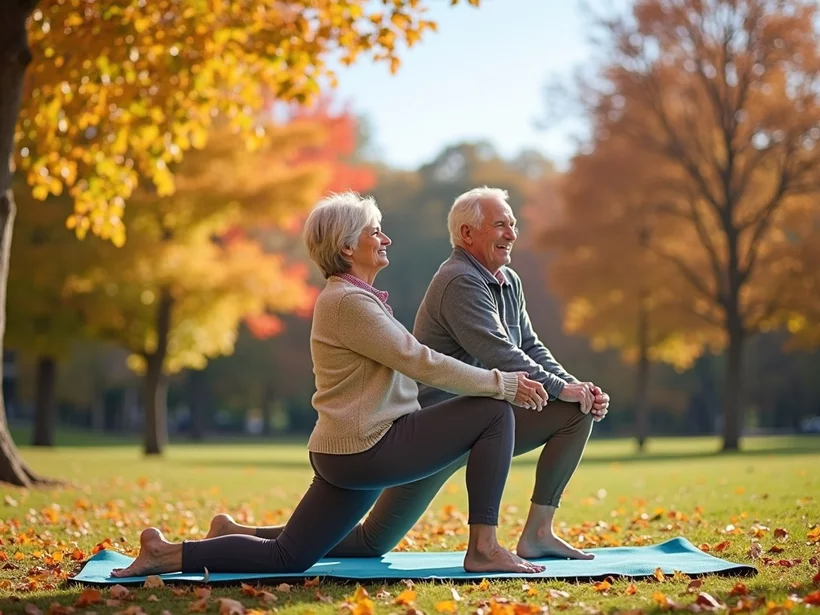
Consider this: falls are the leading cause of injury among older adults, with one in four seniors experiencing a fall each year. This stark reality underscores the vital role of physical activity in safeguarding our loved ones as they age. The connection between regular exercise and fall prevention is not only significant but transformative.
What You Will Learn
- Regular physical activity can reduce fall-related injuries by 30-40% among older adults.
- Improved balance, muscle strength, flexibility, and confidence are key benefits of staying active.
- High-risk groups, such as low-income seniors and those with limited mobility, require tailored exercise programs for effective fall prevention.
- Implementing multicomponent training and community-based fitness classes can significantly enhance the physical stability of seniors.
- Following established health guidelines from organizations like WHO and CDC promotes a healthier lifestyle for older adults.
Impact of Physical Activity on Fall Prevention in Older Adults
The following visual compares the percentage reduction in fall-related injuries among older adults who engage in regular physical activity. To further understand the importance of creating a safe environment, consider ensuring home safety for seniors as a crucial step in fall prevention.
Regular Exercise
30-40% reduction in fall-related injuries.
Inactive Lifestyle
Higher risk of falls and injuries.
Benefits of Exercise
- Improved balance
- Enhanced muscle strength
- Increased flexibility
- Boosted confidence
High-Risk Groups
- Low-income seniors
- Non-community-dwelling individuals
- Seniors with dementia
Understanding the Importance of Physical Activity for Fall Prevention in Older Adults
As we age, staying active becomes more important than ever, especially when it comes to preventing falls. Did you know that according to the CDC, falls are the leading cause of injury among older adults? In fact, one in four older adults will experience a fall each year! This alarming statistic highlights the critical need for increased physical activity, which has been shown to significantly reduce the risk of falls. I often remind the seniors I work with at Cairns Active Ageing Solutions that engaging in regular exercise not only enhances balance and strength but also boosts overall well-being.
Exploring the Link Between Physical Activity and Fall Prevention
Research consistently shows a strong link between increased physical activity and a reduced fall risk. A comprehensive study published by the Journal of Aging and Physical Activity found that older adults who participated in regular exercise experienced a 30-40% decrease in fall-related injuries. This is a clear indicator of how important it is for our seniors to stay active!
- Improved balance: Regular exercise enhances coordination and stability.
- Enhanced muscle strength: Stronger muscles help support the body and prevent falls.
- Increased flexibility: Stretching and mobility exercises can reduce stiffness and enhance movement.
- Boosted confidence: Feeling physically competent can improve confidence in one’s ability to move safely.
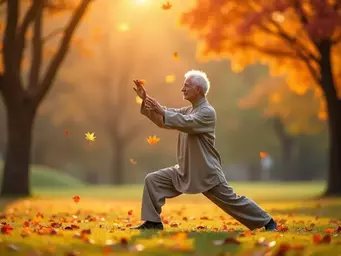
At Cairns Active Ageing Solutions, we emphasize that simple activities like walking, tai chi, or even gardening can make a significant difference in fall prevention. Have you considered how a little movement each day could transform your life? It's never too late to start! For more details on maintaining independence, read about staying independent with active aging.
Identifying High-Risk Groups Among Older Adults
While physical activity benefits everyone, certain groups of older adults face higher risks for falls. It's essential to tailor interventions to meet their specific needs. For instance, seniors living in low-income situations may lack access to safe exercise environments or programs, making it crucial to create accessible options. Similarly, those who are non-community-dwelling, such as those in nursing homes, may not engage in enough physical activity due to limited opportunities.
- Low-income seniors: May face barriers to accessing facilities or programs.
- Non-community-dwelling individuals: Limited mobility can hinder their ability to participate.
- Seniors with dementia: May require specialized, structured programs to ensure safety and engagement.
Addressing the unique needs of these demographics is vital for effective fall prevention strategies. Our mission at Cairns Active Ageing Solutions is to ensure all seniors, regardless of their circumstances, have the opportunity to stay active and live independently.
Implementing Evidence-Based Exercises That Reduce Falls
As we explore the ways to implement effective strategies, it’s important to focus on evidence-based exercises that can make a genuine impact. By integrating tailored fitness routines into daily life, seniors can build strength and resilience against falls. Let’s look into some effective programs and recommendations in the next sections!
Quick Summary
Here's a brief recap of the key points discussed so far:
- Falls are the leading cause of injury among older adults, making physical activity essential for prevention.
- Regular exercise can lead to a 30-40% decrease in fall-related injuries by improving balance, strength, and flexibility.
- Targeted interventions are necessary for high-risk groups, such as low-income seniors and non-community-dwelling individuals.
Frequently Asked Questions (FAQs) About Fall Prevention and Physical Activity
- Q1: How much can regular physical activity reduce fall-related injuries?
- A1: Regular physical activity can reduce fall-related injuries by 30-40% among older adults.
- Q2: What are the key benefits of exercise for fall prevention?
- A2: Key benefits include improved balance, enhanced muscle strength, increased flexibility, and boosted confidence.
- Q3: Which groups of older adults are considered high-risk for falls?
- A3: High-risk groups include low-income seniors, non-community-dwelling individuals, and seniors with dementia.
- Q4: What types of exercises are recommended for fall prevention?
- A4: Multicomponent training, balance and strength training (like the Otago Exercise Program), and community-based fitness classes are highly recommended.
- Q5: Where can I find guidelines for physical activity for older adults?
- A5: Established health guidelines from organizations like the WHO and CDC provide valuable recommendations for promoting a healthier lifestyle for older adults.
Summarizing the Path Forward for Fall Prevention through Physical Activity
As we've explored, promoting physical activity is vital for preventing falls among older adults. The importance of engaging in regular exercise cannot be understated. In our journey with Cairns Active Ageing Solutions, we’ve witnessed how evidence-based practices, community involvement, and targeted programs can make a remarkable difference in the lives of seniors. Here’s a recap of the essential strategies that can help keep our beloved elders active and safe! For more ways to support senior health, explore physical activity for healthy aging.
Key Takeaways on Encouraging Physical Activity in Older Adults
To foster a culture of safety and well-being, we need to focus on the following strategies:
- Implement Multicomponent Training: Programs like the Otago Exercise Program and FaME can significantly enhance strength and balance.
- Emphasize Balance and Strength Training: Simple routines tailored for seniors can improve physical stability.
- Engage in Community-Based Classes: Local fitness classes create motivation and provide a sense of belonging.
- Follow Health Guidelines: Abiding by WHO and CDC guidelines for physical activity fosters a healthier lifestyle.
These strategies are not only beneficial but necessary for keeping our seniors active and independent. In Cairns, I’ve seen firsthand how implementing these practices can transform lives, providing both physical and emotional support to our aging population. Consider checking out preventing falls with assistive devices for additional safety measures.
Call to Action: Steps for Implementation
Are you ready to make a difference in your community? Here are some actionable steps you can take:
- Download Our Free Checklist: Our checklist includes exercises and resources specifically designed for fall prevention. It’s a fantastic starting point!
- Organize Local Walking Groups: Encourage seniors in your area to join walking groups, promoting both fitness and social interaction.
- Host Community Fitness Classes: Partner with local gyms or instructors to offer tailored classes for older adults.
- Share Success Stories: Highlight testimonials that inspire others to engage with these practices and showcase their positive impacts.
Every step counts in the pursuit of a healthier lifestyle for seniors. By implementing these strategies, you’re not just enriching lives; you’re creating a supportive community that champions active aging! For further reading on active living, explore active living exercises for seniors.
Recap of Key Points
Here is a quick recap of the important points discussed in the article:
- Importance of Physical Activity: Engaging in regular exercise significantly reduces the risk of falls among older adults.
- Evidence-Based Benefits: Activities like walking, tai chi, and strength training enhance balance, muscle strength, and overall confidence.
- Tailored Strategies: High-risk groups, including low-income seniors and those in nursing homes, require customized fall prevention programs.
- Community Engagement: Local fitness classes and community-based initiatives foster social interaction and encourage participation.
- Implementation Steps: Practical actions, such as organizing walking groups and sharing success stories, can elevate community awareness and involvement.