Safe Homes for Seniors: Tips
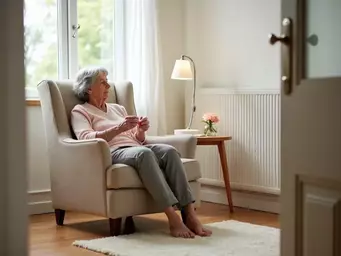
Creating a safe home for seniors goes beyond mere comfort—it’s about empowering their independence and enhancing their quality of life. Studies show that one in four seniors falls each year, making home safety a crucial consideration for families. As we explore this topic, consider how proactive changes can transform a living space into a sanctuary for older adults.
What You Will Learn
- Common hazards in senior living spaces, including loose rugs and poor lighting.
- Key elements to consider for a senior-friendly home, such as wide doorways and non-slip flooring.
- The importance of mobility aids, like walkers and canes, in promoting safety and independence.
- Emergency response systems that provide immediate access to assistance for seniors in distress.
- Cost-effective strategies for home modifications, including DIY options and professional services.
- Financial aid and insurance options available to help offset home adaptation costs.
- How to create a senior home safety checklist to regularly assess and improve safety measures.
- Community resources that support senior safety and well-being, including in-home assistance services.
Statistics on Senior Home Accidents
Understanding the alarming statistics surrounding safety concerns for seniors highlights the importance of enhanced safety measures at home. Proactive steps in ensuring home safety for seniors can significantly reduce these risks.
Falls Among Seniors
Approximately 1 in 4 seniors experience a fall each year, making falls a leading cause of injury among older adults.
Medical Expenses from Falls
Falls can result in significant medical expenses, with treatment costs potentially reaching thousands of dollars.
Common Home Hazards
Frequent hazards include loose rugs, cluttered spaces, poor lighting, and slippery bathroom conditions.
Emergency Response Importance
Emergency response systems can quickly connect seniors with assistance, providing peace of mind for both seniors and families.
Understanding the Importance of a Safe Home Environment for Seniors
Creating a safe home environment is crucial for seniors, as it significantly impacts their ability to live independently and confidently. At Cairns Active Ageing Solutions, we believe that the foundation of healthy ageing begins right at home. A secure living space not only helps prevent accidents but also fosters peace of mind, allowing seniors to enjoy their golden years without unnecessary worries.
As we explore the importance of safety, it’s essential to recognize that our homes should be more than just shelters; they should be sanctuaries that support our independence. Have you ever thought about how your living environment affects your daily activities? When we take proactive steps to eliminate potential hazards, we're not just enhancing safety but enriching the overall quality of life for our loved ones.
Identifying Common Hazards in Senior Living Spaces
There are several common hazards that can pose risks for seniors in their homes. Identifying these hazards is the first step toward creating a safer environment. Here are some of the most frequent dangers:
- Loose rugs that can cause trips and falls.
- Cluttered spaces that block pathways and create obstacles.
- Poor lighting which can make it difficult to see and navigate safely.
- Bathroom conditions such as slippery surfaces and high bathtubs.
By recognizing these hazards, we can implement changes that significantly reduce the risk of accidents. It’s not just about making adjustments; it’s about fostering a life where seniors can thrive every day! For more tips on maintaining a secure environment, explore our guide on safe home tips for seniors.
Statistics on Senior Home Accidents and Safety
Statistics reveal the alarming reality of safety concerns for seniors. Did you know that falls are a leading cause of injury among older adults? In fact, according to recent studies, approximately one in four seniors experience a fall each year. This statistic is startling, but it drives home the importance of safety measures.
Furthermore, it’s reported that falls often result in significant medical expenses, with costs potentially reaching thousands of dollars for treatment and rehabilitation. We at Cairns Active Ageing Solutions want to empower families to take action before accidents occur. Investing in home safety is investing in health and independence.
Key Elements of Home Safety for Seniors
To create a truly safe environment, certain key elements must be considered. A senior-friendly home design goes beyond aesthetics; it is about functionality and accessibility. It's important to look into features that can enhance safety and accommodate the unique needs of seniors.
Some essential features to consider include:
- Wide doorways for easy wheelchair access.
- Lever-style door handles that are easier to use than traditional knobs.
- Non-slip flooring to prevent falls.
- Grab bars in bathrooms for extra support.
These elements are just the beginning of fostering a safe and secure home. Let’s create spaces where seniors can feel comfortable and protected!
Essential Features of Senior-Friendly Design
Designing a senior-friendly home means thinking about more than just safety; it’s about improving the overall living experience. Some important features include:
- Open floor plans that facilitate easy movement.
- Accessible storage that keeps essentials within reach.
- Easy-to-navigate bathrooms with walk-in showers.
- Adaptive lighting that adjusts based on the time of day.
By integrating these features into a senior’s living space, we can significantly enhance their comfort and security. Have you thought about what changes you could make in your own home to promote safety?
The Role of Mobility Aids in Enhancing Safety
Mobility aids play a critical role in helping seniors maintain their independence. Whether it’s using a walking frame, cane, or even a wheelchair, these aids can provide the support needed to navigate through daily life safely. Here are some common mobility aids to consider:
- Walkers that provide stability.
- Canes for balance support.
- Wheelchairs for those with limited mobility.
- Scooters for easier outdoor navigation.
When selecting mobility aids, it’s important to choose options that best fit the individual’s needs. Remember, every small step taken towards safety can lead to greater independence! For details on how these devices can help, see our article on preventing falls with assistive devices.
Importance of Emergency Response Systems in Senior Living
Emergency response systems are vital for ensuring seniors' safety, particularly in moments of unexpected distress. These systems can swiftly connect seniors with assistance, offering peace of mind for both seniors and their families. Consider these options:
- Medical alert systems that provide immediate access to help.
- Home monitoring systems that alert caregivers to potential falls.
- Smart home technology that can detect emergencies.
Incorporating these systems into a home can greatly enhance a senior's sense of security and comfort. After all, knowing help is a button press away makes all the difference!
Pro Tip
Did you know? Regularly reviewing and updating your home safety modifications can help maintain a secure environment for seniors? Consider setting a reminder every six months to evaluate the effectiveness of safety features and make necessary adjustments. This proactive approach not only enhances safety but also fosters a sense of independence and confidence in daily living.
Assessing the Costs and Options for Home Modifications
When it comes to making your home safer for seniors, understanding the costs and options for modifications is crucial. At Cairns Active Ageing Solutions, I often hear questions about how to make these changes without breaking the bank. The good news is that there are various options available, whether you choose to go the DIY route or hire professionals.
Before diving into specific costs, it’s essential to consider the types of modifications needed. Here are some common upgrades you might think about:
- Installing grab bars in bathrooms
- Adding ramps for improved accessibility
- Upgrading lighting fixtures for better visibility
- Implementing non-slip flooring
Each of these options can vary significantly in price, depending on the scope of work and materials used. By evaluating your needs and budget, you can make informed choices that suit both your financial and safety requirements.
Cost Estimates for Safety Modifications and Technology
Now, let’s break down some cost estimates for common home safety modifications. Understanding these figures can help you plan effectively:
- Grab bars: Typically range from $20 to $100 each, depending on quality and installation fees.
- Ramps: Professional installation can cost between $1,000 and $3,000, while DIY options might be cheaper.
- Smart lighting systems: Prices can vary widely, but basic setups start around $50.
- Non-slip flooring: Expect to pay around $3 to $5 per square foot for materials and installation.
While these costs may seem daunting, it’s important to remember that investing in safety can save you money in the long run by preventing accidents and hospital visits.
DIY vs. Professional Installation: Making Informed Choices
Deciding whether to tackle modifications yourself or hire a professional can be tricky. Here are a few factors to consider:
- Skill Level: If you’re handy with tools and have some experience, DIY may save you money.
- Time Constraints: Professional installers can often complete modifications much faster, which can be beneficial if time is of the essence.
- Safety Standards: Some modifications require adherence to building codes, making professional help a wise choice.
- Long-Term Investment: Professionally installed features may come with warranties, offering peace of mind.
Ultimately, weigh your options carefully and choose what aligns with your needs and comfort level. After all, the main goal is to create a safe home environment for our beloved seniors! Learn more about strategies to prevent falls in seniors, which often involve such modifications.
Evaluating the Effectiveness of Home Modifications
Once you've made modifications, it’s vital to assess their effectiveness. This helps ensure the changes have genuinely enhanced safety. At Cairns Active Ageing Solutions, I recommend periodically reviewing these modifications to see what is working and what might need adjustments.
Here are some metrics to evaluate safety improvements:
- Reduction in falls or accidents
- Increased mobility and independence
- Feedback from the seniors living in the home
- Emergency response times in case of incidents
By keeping track of these factors, you can make informed decisions about future modifications or adjustments needed to enhance safety.
Financial Aid and Insurance Options for Home Adaptations
Many families worry about the financial implications of home modifications. The good news is that there are various financial aid options and insurance programs available to help offset costs:
- Government Grants: Some programs offer grants specifically for home modifications for seniors.
- Medicare and Medicaid: In certain cases, these programs may cover specific home modifications.
- Non-profit Organizations: These can provide assistance or resources for affordable home modifications.
- Home Insurance Policies: Review your policy to see if it covers any modifications.
Exploring these options can significantly lighten the financial load while enhancing the safety and comfort of the home.
Frequently Asked Questions on Senior Home Safety
People often have many questions when it comes to senior home safety. Here are a couple of the most common ones I encounter:
What are the top recommended safety features for seniors' homes?
Some essential safety features include:
- Grab bars in bathrooms
- Non-slip flooring throughout the home
- Smart lighting solutions that adjust to the time of day
- Emergency response systems for immediate assistance
Each of these features plays a crucial role in ensuring safety and independence.
How can I create a senior home safety checklist?
Creating a safety checklist is a great way to stay organized! Here’s a simple outline to get you started:
- Inspect all rooms for hazards
- List necessary modifications and prioritize them
- Include emergency contacts and procedures
- Review and update the checklist regularly
This checklist not only helps in planning but also ensures that safety remains a priority.
What are the most common home hazards for seniors?
The most common home hazards include loose rugs, cluttered pathways, inadequate lighting, and slippery surfaces in bathrooms. Addressing these can significantly reduce the risk of falls and injuries.
Are there financial aids available for home modifications?
Yes, various financial aid options exist, including government grants, Medicare and Medicaid coverage for specific modifications, assistance from non-profit organizations, and potential coverage through home insurance policies.
Why are emergency response systems important for seniors?
Emergency response systems provide immediate access to help in case of an accident or medical emergency, offering peace of mind for both seniors and their families and potentially saving lives by reducing response times.
Encouraging Independence and Quality of Life for Seniors
Creating a safe home environment is an investment in the independence and quality of life of our seniors. By removing hazards and implementing modifications, we enable them to thrive and maintain their dignity while living in their homes.
Remember, every small change can lead to a significant improvement in safety and comfort. So, let’s work together toward making our homes a haven of safety and support for the seniors we love!
Community Resources for Senior Safety and Well-Being
At Cairns Active Ageing Solutions, I'm passionate about connecting families with community resources that support senior safety and well-being. Here are a few valuable services and support networks:
- Local senior care services that provide in-home assistance
- Support groups for caregivers and seniors
- Access to telehealth services for routine check-ups
- Wellness programs that promote physical health and emotional well-being
Utilizing these resources can greatly enhance the safety and quality of life for seniors in our community! For more information on maintaining an active lifestyle, consider exploring resources on embracing active ageing together.
Recap of Key Points
Here is a quick recap of the important points discussed in the article:
- Importance of Safety: A safe home environment is crucial for seniors to live independently and confidently.
- Common Hazards: Identify hazards like loose rugs, clutter, poor lighting, and unsafe bathroom conditions to reduce risks.
- Key Safety Features: Consider features such as wide doorways, lever-style door handles, non-slip flooring, and grab bars.
- Mobility Aids: Utilize mobility aids like walkers and canes to enhance stability and independence.
- Emergency Response Systems: Implement systems that provide immediate assistance, boosting peace of mind for seniors and their families.
- Cost Considerations: Evaluate costs for necessary modifications and explore financial aid options to manage expenses effectively.
- Community Resources: Leverage local services and support groups to enhance senior safety and well-being.