Fall Prevention Tips for Seniors
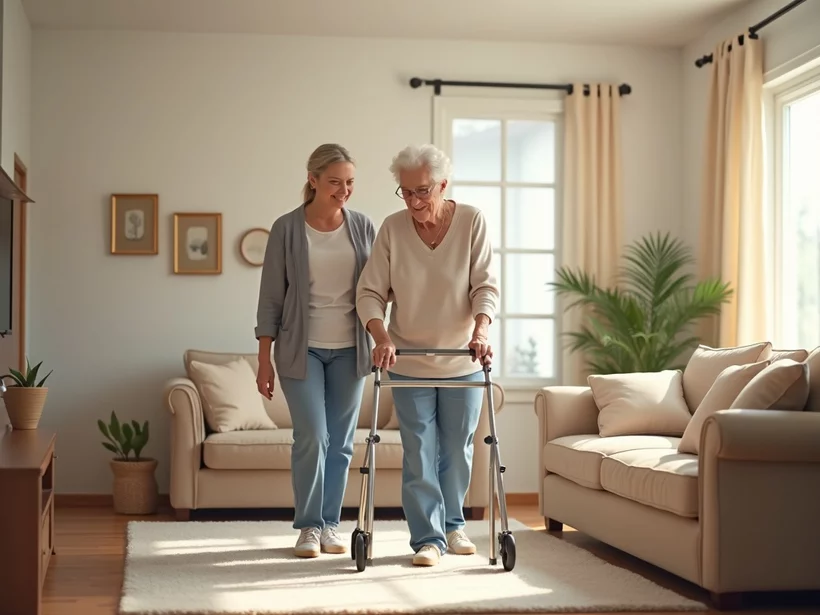
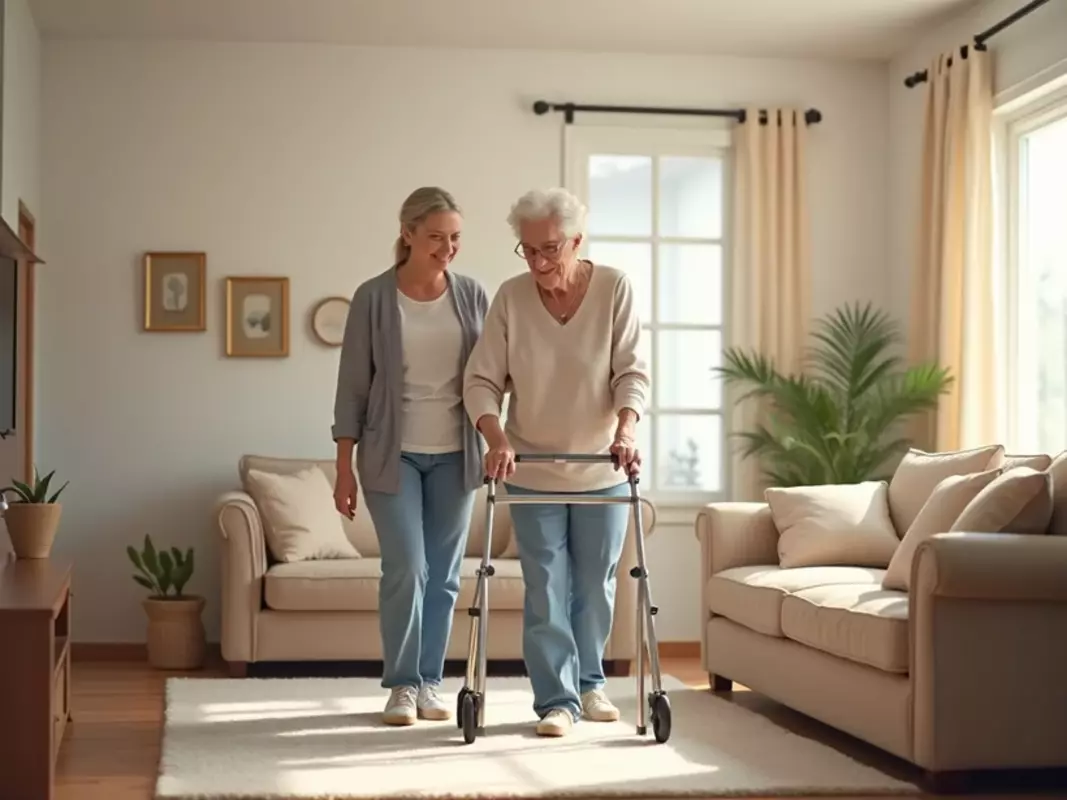
Did you know that falls are the leading cause of injury for seniors, resulting in serious health complications and even loss of independence? Understanding how to prevent these incidents can significantly enhance your quality of life. This article provides practical, evidence-based strategies to help you stay safe and active as you age.
What You Will Learn
- Recognize common risk factors for falls, such as age-related declines in balance and vision impairment.
- Utilize the CDC STEADI tool to assess your fall risk and receive tailored recommendations for improvement.
- Implement essential home modifications, like installing grab bars and improving lighting, to create a safer living environment.
- Explore various fall-detection devices and emergency response systems to enhance safety and connectivity at home.
- Understand insurance coverage and funding options for home safety modifications, including Medicare and local grants.
- Create a personalized fall prevention plan that includes home safety strategies, exercise routines, and emergency contacts.
- Engage with your community through social support networks to enhance both safety and emotional well-being.
- Access additional resources, such as local health organizations and guides on fall prevention, to stay informed and proactive.
Key Equipment and Technology for Fall Prevention
Here's a comparison of essential fall-detection devices and home modifications for seniors, highlighting their features and costs. For more detailed information on making your living space safer, explore our guide on ensuring home safety for seniors.
Stair Lifts
Cost: $2,000 - $5,000
Great for multi-level homes, stair lifts help seniors move safely between floors.
Medical Alert Systems
Cost: $20 - $50/month
Allow seniors to call for help with the push of a button.
Grab Bars
Cost: $100 - $300
Effective for installation in bathrooms and hallways.
Motion Sensor Lights
Cost: $10 - $50 each
Automatically illuminate dark areas, improving nighttime navigation.
Fall Prevention for Seniors: Practical, Evidence-Based Strategies
As we get older, the importance of fall prevention becomes even more apparent. At Cairns Active Ageing Solutions, we understand that falls can lead to serious injuries, impacting your independence and quality of life. That's why this guide is designed to provide you with practical, evidence-based strategies, including a personalized checklist and action plan to help keep you safe and active!
What Increases Fall Risk Among Older Adults
Common Risk Factors for Falls
Understanding the reasons behind falls is the first step in prevention. There are several common risk factors that can increase the likelihood of falling:
- Age-related factors: As we age, our balance, strength, and coordination can decline.
- Vision impairment: Poor eyesight can make it challenging to navigate your surroundings safely.
- Certain medications: Some medications can cause dizziness or drowsiness, which may heighten the risk of falling.
It's essential to be aware of these factors, as they can help you identify areas where you might need to take action to reduce your risk.
Assessing Your Fall Risk
The next step is to assess your fall risk. A simple self-check can help you understand your situation better. I recommend using the CDC STEADI tool, which provides a comprehensive way to evaluate your risk and offers tailored recommendations for improvement. This tool is a great resource for making informed decisions about your safety!
Quick Home Safety Changes to Prevent Falls
Essential Home Modifications
Making changes in your home can significantly reduce fall risks. Here’s a quick checklist of modifications you can implement:
- Install grab bars in bathrooms and stairways.
- Improve lighting throughout your home to illuminate dark areas.
- Remove tripping hazards such as loose rugs or clutter from walkways.
Taking these simple steps can create a safer environment that allows you to move confidently within your home. For more insights on preventing falls specifically in the Cairns region, check out our guide on preventing falls for Cairns seniors.
Additional Home Safety Measures
In addition to the essential modifications, consider these additional home safety measures:
- Use non-slip mats in high-risk areas like the bathroom and kitchen.
- Conduct a comprehensive home safety evaluation to identify other potential risks.
These adjustments can enhance your safety and provide peace of mind as you enjoy your daily activities.
Visuals and Downloadable Resources
To make your home safety modifications easier, we’ve created visual aids and a downloadable checklist. These resources can guide you through the process of enhancing your space, making it both safer and more comfortable. Feel free to download your home-safety checklist from our website at Cairns Active Ageing Solutions!
Pro Tip
Consider incorporating balance exercises into your daily routine. Activities like tai chi or yoga not only improve strength and flexibility but also enhance your coordination, which can significantly reduce your risk of falls.
Equipment, Technology, and Cost Considerations
When it comes to preventing falls, the right equipment and technology can make a huge difference. At Cairns Active Ageing Solutions, I often encourage seniors to explore various options available to enhance their safety at home. In this section, we’ll look at different fall-detection devices, home modifications, and how to fund these essential improvements.
Comparing Fall-Detection Devices and Home Modifications
There are numerous gadgets designed specifically to help keep seniors safe. Here’s a brief comparison of some popular aids:
- Stair Lifts: Great for multi-level homes, stair lifts can be installed to help seniors move safely between floors. They can range in price from $2,000 to $5,000.
- Medical Alert Systems: These devices allow seniors to call for help with the push of a button. Prices typically range from $20 to $50 per month, with equipment costs that can vary.
- Grab Bars: Simple but effective, grab bars can be installed in bathrooms and hallways. Installation costs can range from $100 to $300, depending on the setup.
- Motion Sensor Lights: These lights can illuminate dark areas automatically, making it easier and safer to navigate at night. They generally cost between $10 and $50 per light.
Each option has its benefits, and I recommend considering what fits best into your living situation. Have you thought about which devices might work well for you? For additional information on how assistive devices can enhance safety, you can read our article on preventing falls with assistive devices.
Emergency Response Systems and Assistive Devices
In addition to fall-detection devices, various emergency response systems and assistive devices can enhance safety. Here are some valuable options:
- Personal Emergency Response Systems (PERS): These systems offer quick access to help during emergencies.
- Smart Home Devices: Voice-activated assistants can help seniors control lights and thermostats without getting up.
- Mobility Aids: Walkers, canes, and rollators provide support and stability during daily activities.
By incorporating these systems into daily life, you can foster a safer environment. As seniors, staying connected and secure is essential, especially when living alone.
Understanding Insurance Coverage and Funding Options
Navigating insurance coverage for these devices can be tricky. Here are some pointers for understanding Medicare coverage and finding funding for home safety modifications:
- Medicare Part B: This may cover some durable medical equipment, including certain mobility aids.
- Medicaid: Some states provide funding for home modifications under Medicaid. Check your state's specific offerings.
- Local Grants and Programs: Investigate community resources, as some local organizations offer grants for fall prevention measures.
- Nonprofits: Organizations like the AARP have valuable resources for seniors seeking financial assistance.
It's vital to explore all your options, as this can alleviate financial concerns and make necessary modifications more accessible. Have you looked into these resources yet?
Creating a Personalized Fall Prevention Plan
Creating a personalized fall prevention plan is an empowering step toward maintaining independence and safety in daily life. At Cairns Active Ageing Solutions, I believe that a tailored approach makes all the difference in achieving your goals.
Template for Individualized Safety Strategies
To help you get started, I’ve designed a printable plan template. Here’s what you can include in your personalized fall prevention strategy:
- Home Safety Modifications: List any changes you plan to make, such as installing grab bars.
- Exercise Routine: Outline your balance and strength training exercises.
- Vision and Hearing Checks: Schedule regular appointments for these essential health checks.
- Emergency Contacts: Keep a list of who to call in case of a fall or emergency.
By documenting your strategies, you’ll be better prepared to take action. Remember, each step you take is a step towards enhanced safety and independence! To learn more about effective exercise routines, check out our article on physical activity benefits for seniors.
Social Support and Community Engagement
Don’t underestimate the power of social support! Engaging with your community can greatly enhance your safety. Here are some ways to stay connected:
- Join Walking Groups: These provide both exercise and a chance to socialize.
- Participate in Local Classes: Look for balance or fitness classes designed specifically for seniors.
- Involve Your Caregiver: Training your caregiver on fall prevention can offer an extra layer of safety.
Being part of a supportive community not only fosters friendships but also ensures you have people to rely on should you need assistance.
Additional Resources and Next Steps
As we wrap up, I encourage you to take action towards improving your safety. Here are some useful resources to explore:
- CDC STEADI Tool: For assessing your fall risk and finding tailored strategies.
- Local Health Organizations: Often provide workshops or classes on fall prevention.
- Cairns Active Ageing Solutions: Reach out for personalized guidance and support.
Your safety matters immensely! By implementing these strategies, you can lead a more independent and fulfilling life. Let’s take those next steps together! Remember, I’m here to help you along the way. For more comprehensive strategies to prevent falls, consider reading our detailed guide on strategies to prevent falls in seniors.
Recap of Key Points
Here is a quick recap of the important points discussed in the article:
- Recognize Risk Factors: Be aware of age-related factors, vision impairment, and medication side effects that can increase fall risk.
- Assess Your Risk: Utilize the CDC STEADI tool to evaluate your fall risk and receive personalized recommendations.
- Home Modifications: Implement essential changes like installing grab bars and improving lighting to create a safer living environment.
- Technology and Equipment: Explore fall-detection devices and home safety gadgets that enhance security, such as medical alert systems and motion sensor lights.
- Funding Resources: Investigate Medicare, Medicaid, local grants, and nonprofit organizations for financial assistance with home modifications.
- Create a Personalized Plan: Develop a tailored fall prevention plan that includes home modifications, exercise routines, and emergency contacts.
- Engage with Your Community: Join local groups and classes to foster social connections and enhance your safety.
- Utilize Available Resources: Take advantage of tools and support from local health organizations and Cairns Active Ageing Solutions to improve your safety.
Frequently Asked Questions About Fall Prevention for Seniors
- What are the most common risk factors for falls in older adults?
- Common risk factors include age-related declines in balance, strength, and coordination, vision impairment, and side effects from certain medications that can cause dizziness or drowsiness.
- How can I assess my fall risk?
- You can assess your fall risk using tools like the CDC STEADI tool, which provides a comprehensive evaluation and tailored recommendations for improvement.
- What are some essential home modifications to prevent falls?
- Essential home modifications include installing grab bars in bathrooms and stairways, improving lighting throughout the home, and removing tripping hazards such as loose rugs or clutter.
- What types of fall-detection devices are available for seniors?
- Available fall-detection devices and safety equipment include stair lifts, medical alert systems, grab bars, motion sensor lights, Personal Emergency Response Systems (PERS), smart home devices, and various mobility aids like walkers and canes.
- Are there funding options for home safety modifications?
- Yes, funding options may include Medicare Part B (for certain durable medical equipment), Medicaid (in some states), local grants and programs from community resources, and financial assistance from nonprofit organizations like AARP.
- How can social support and community engagement help with fall prevention?
- Engaging with your community through walking groups, local fitness classes, and involving caregivers can enhance safety by providing exercise, social interaction, and a reliable support network.