Safe Home Tips for Seniors
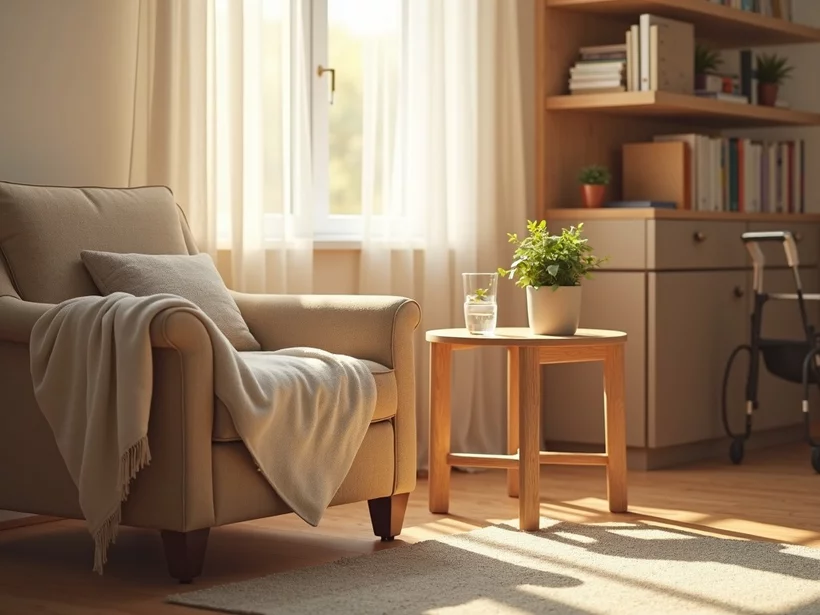
Creating a safe home environment for seniors is not just a necessity; it's a fundamental aspect of promoting their independence and well-being. With many older adults facing potential hazards at home, understanding these risks can lead to significant improvements in their quality of life. Here’s how you can empower your loved ones to thrive in a secure living space.
What You Will Learn
- Recognize common hazards seniors face at home, such as slippery floors and poor lighting.
- Understand the benefits of a safe home environment, including increased confidence and improved mental health.
- Implement effective fall prevention strategies, like regular exercise and using assistive devices.
- Learn essential room-specific modifications to enhance safety in areas like bathrooms and kitchens.
- Importance of continuous assessment and adaptation of safety measures to meet changing needs.
- Take actionable steps to create personalized safety plans involving family members and professional advice.
- Enhance family involvement and support by establishing regular communication and joining support groups.
Key Modifications for Senior Safety at Home
Enhancing safety for seniors at home involves thoughtful adjustments across different areas. Here are essential modifications that support independence. For more detailed guidance, consider these practical tips for independent living:
Bathroom
Install grab bars and non-slip mats to prevent falls.
Kitchen
Arrange essentials within easy reach and use lever handles for doors.
Bedroom
Maintain an optimal bed height and keep the area clutter-free for better navigation.
Exterior
Ensure pathways are well-lit and free of tripping hazards.
Understanding the Importance of a Safe Home Environment for Seniors
Creating a safe home environment is crucial for seniors seeking to maintain their independence and well-being. Each year, many older adults face accidents in their homes, leading to injuries that can significantly affect their quality of life. As someone invested in promoting healthy ageing at Cairns Active Ageing Solutions, I cannot stress enough how essential it is to recognize and tackle these risks.
One of the first steps in ensuring safety at home is to understand the common hazards that seniors encounter. From slippery floors to inadequate lighting, these risks can turn a familiar space into a challenging environment. Taking the time to identify these hazards can lead to meaningful changes that make a big difference in day-to-day living.
Recognizing the Risks: Common Hazards Seniors Face at Home
Many seniors may not realize the dangers lurking in their own homes. Here are some of the most common hazards they might face:
- Slippery floors: Wet or polished surfaces can lead to falls.
- Poor lighting: Dimly lit areas increase the chance of accidents.
- Clutter: Items left on the floor can create tripping hazards.
- Inaccessible furniture: High seating or hard-to-reach items can strain mobility.
By being aware of these risks, caregivers and family members can implement thoughtful modifications that promote safety. At Cairns Active Ageing Solutions, we often suggest taking a walk through the home together to spot potential hazards that might otherwise go unnoticed. For additional information on fall prevention strategies, read more about strategies to prevent falls in seniors.
Benefits of Creating a Safe Home Space for Enhanced Independence
When a safe home environment is established, seniors can experience a range of benefits that go beyond mere physical safety. Here are a few key advantages:
- Increased confidence: Knowing their home is safe allows seniors to move around freely.
- Improved mental health: A clutter-free, organized space can reduce anxiety.
- Greater social interactions: Friends and family are more likely to visit when they feel it’s a safe space.
These benefits can enhance not only the physical but also the emotional well-being of seniors. I believe that when we feel secure in our environment, we can truly enjoy life to the fullest!
Fall Prevention: Strategies to Minimize Risks
Fall prevention should be a top priority when modifying a home. Implementing effective strategies can greatly reduce the risk of falls, which is paramount for seniors. Here are several strategies to consider:
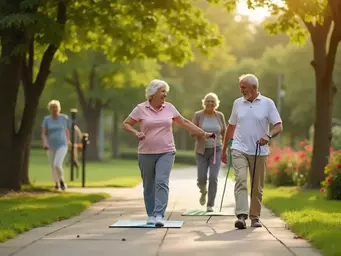
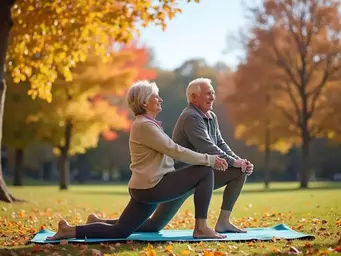
- Regular exercise: Engaging in activities that improve balance and strength, like tai chi, can be very beneficial.
- Routine safety assessments: Regularly check the home for hazards or changes that may need addressing.
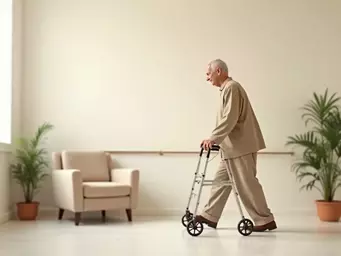
- Using assistive devices: Canes, walkers, or grab bars can provide additional support.
These strategies not only help prevent falls but also empower seniors to actively participate in their own safety. At Cairns Active Ageing Solutions, we always encourage families to work together with their loved ones to implement these vital changes.
Home Safety Overview: Essential Considerations for Seniors
Understanding the essential aspects of home safety can guide caregivers in creating a secure living environment. Here are some key considerations:
- Accessibility: Ensure that everyday items are within reach.
- Lighting: Brighten up hallways and staircases to prevent accidents.
- Emergency plans: Develop a clear plan for what to do in case of an emergency, including emergency contacts.
By keeping these considerations in mind, we can create a home that supports independence while ensuring safety. It’s about fostering a space where seniors can thrive, and I find joy in helping families discover these solutions at Cairns Active Ageing Solutions.
Pro Tip
Did you know? Regularly involving seniors in the safety assessment process not only empowers them but also helps identify overlooked hazards. Encourage your loved ones to voice their concerns and suggestions, making them active participants in creating a safer home environment.
Summarizing Key Steps to Ensure Senior Safety at Home
As we wrap up our discussion on senior safety at home, it’s crucial to highlight the key modifications that can make a significant difference. By implementing thoughtful changes in various rooms, we can create a safer living environment for our loved ones. Whether it’s enhancing bathroom safety or ensuring that the kitchen is user-friendly, every step counts toward fostering independence and confidence.
Here’s a quick recap of essential room-specific modifications:
- Bathroom: Install grab bars and non-slip mats to prevent falls.
- Kitchen: Arrange essentials within easy reach and use lever handles for doors.
- Bedroom: Maintain an optimal bed height and keep the area clutter-free for better navigation.
- Exterior: Ensure pathways are well-lit and free of tripping hazards.
Continuing to assess and adapt these safety measures is just as important as implementing them in the first place. Regular checks can help ensure that the home remains a secure haven for seniors as their needs change over time.
Importance of Continuous Assessment and Adaptation of Safety Measures
Continuous assessment of safety measures is vital for maintaining a secure home environment. As we age, our physical abilities can change, making it necessary to regularly evaluate our living spaces. I suggest taking time every few months to walk through the home and see if any adjustments are needed. Have you noticed any new challenges for your loved ones? This proactive approach can help catch potential hazards before they lead to accidents. For tips on how to stay active and independent, see our guide on staying independent with active aging.
Here are a few considerations for ongoing safety assessments:
- Regular Walkthroughs: Conduct a safety check every few months.
- Feedback from Seniors: Engage your loved ones in discussions about their comfort and safety.
- Update Modifications: Be prepared to make changes based on changing needs, like adjusting furniture placement or adding new safety features.
By keeping communication open and being attentive to any new risks, we can create an environment where seniors feel secure and supported. This commitment to safety not only enhances their quality of life but also fosters a sense of independence.
Encouraging Action: Steps for Caregivers and Family Members
Now that we've covered the critical aspects of home safety for seniors, it’s time to take action! Caregivers and family members play an essential role in this process. By collaborating, we can create effective safety plans tailored to the unique needs of our loved ones. The goal is to empower seniors while ensuring their environment is both safe and nurturing.
Here are some actionable steps to consider:
- Create a Personalized Safety Plan: Tailor safety measures to fit individual needs and preferences.
- Seek Professional Advice: Consult with experts in home modifications and senior care for personalized recommendations.
- Involve Family Members: Encourage family involvement to foster support and share responsibilities.
Having a comprehensive safety plan in place is not just about preventing accidents; it’s about ensuring our seniors thrive in their homes. At Cairns Active Ageing Solutions, I’m always here to assist with resources and insights that can help make this journey smoother!
Seeking Professional Advice and Resources for Further Support
Sometimes, it’s beneficial to reach out for professional guidance. Experts can provide tailored recommendations that address specific challenges faced by seniors at home. Whether it’s hiring an occupational therapist for home assessments or consulting with a contractor for modifications, there’s no shame in seeking help. It’s about ensuring the best possible outcomes for our loved ones!
Here’s how to find the right support:
- Research Local Services: Look for local experts specializing in senior safety and home modifications.
- Ask for Recommendations: Reach out to other caregivers or families for their insights on reliable professionals.
- Utilize Online Resources: Explore platforms that specialize in senior care for additional tips and tools.
Utilizing professional resources can provide extra peace of mind, knowing that you’re making informed decisions for your loved ones’ safety and comfort. For more information on preventing falls, check out our article on preventing falls for Cairns seniors.
Importance of Family Involvement and Support Groups
Family involvement is a cornerstone of effective caregiving. Having a strong support system can alleviate stress and provide a network of encouragement for both caregivers and seniors. Engaging family members in discussions about safety and care can foster a collaborative environment where everyone feels valued.
Here are some ways to enhance family involvement and support:
- Regular Family Meetings: Schedule times to discuss safety updates and any concerns.
- Join Support Groups: Connect with local or online groups for caregivers to share experiences and advice.
- Stay Connected: Foster open lines of communication among family members to address any changes in needs.
By coming together as a family, we can provide a more robust support system, ensuring that our loved ones feel safe, heard, and cared for in their homes. This communal effort is key to promoting active ageing and maintaining independence.
Recap of Key Points
Here is a quick recap of the important points discussed in the article:
- Identify Common Hazards: Recognize risks such as slippery floors, poor lighting, clutter, and inaccessible furniture that seniors may face at home.
- Enhance Independence: Creating a safe home boosts seniors' confidence, improves mental health, and encourages social interactions.
- Implement Fall Prevention Strategies: Encourage regular exercise, conduct routine safety assessments, and use assistive devices to minimize fall risks.
- Make Room-Specific Modifications: Focus on safety upgrades in key areas like bathrooms, kitchens, bedrooms, and exteriors to support daily living.
- Conduct Continuous Assessments: Regularly evaluate the home environment and make necessary adjustments based on the changing needs of seniors.
- Engage Caregivers and Family Members: Collaborate to create a personalized safety plan and involve the family in discussions and responsibilities.
- Seek Professional Support: Consult with experts for tailored advice on home modifications and safety measures for seniors.
- Foster Family Involvement: Maintain open communication, hold regular family meetings, and engage in support groups to strengthen the caregiving network.
Frequently Asked Questions (FAQs)
- What are the most common hazards seniors face at home?
- Common hazards include slippery floors, inadequate lighting, clutter, and inaccessible furniture, all of which can increase the risk of falls and injuries.
- How does a safe home environment benefit a senior's well-being?
- A safe home environment enhances seniors' confidence, improves mental health by reducing anxiety, and encourages greater social interactions because family and friends feel it’s a secure space to visit.
- What are some effective fall prevention strategies?
- Effective strategies include engaging in regular exercise to improve balance and strength, conducting routine safety assessments of the home, and using assistive devices like canes or grab bars for added support.
- What room-specific modifications are recommended for senior safety?
- Recommended modifications include installing grab bars and non-slip mats in bathrooms, arranging kitchen essentials within easy reach, maintaining an optimal bed height and keeping bedrooms clutter-free, and ensuring exterior pathways are well-lit and clear of hazards.
- Why is continuous assessment and adaptation of safety measures important?
- Continuous assessment is crucial because seniors' physical abilities and needs can change over time. Regular checks help identify new challenges and allow for timely adjustments to keep the home safe and supportive, preventing potential accidents.